How Long Does Perimenopause Last? (And What Happens After)
Understanding Perimenopause: The Transition Before Menopause
Perimenopause marks the gradual transition leading up to menopause, the point when your menstrual cycles officially stop for 12 consecutive months. If you’re in your 40s and wondering “how long does perimenopause last?” you’re not alone. This hormonal shift affects millions of women, and understanding its timeline can help you prepare for what lies ahead. But exactly how long does this hormonal transition really last—and what can you expect when it’s over?
The truth is, perimenopause doesn’t have a fixed timeline. For some women, it lasts just a few years. For others, it can stretch close to a decade. The key lies in how your body responds to the natural decline of estrogen and progesterone—two hormones that have regulated your cycle since puberty.

How Long Does Perimenopause Typically Last?
On average, how long does perimenopause last? Most women experience this phase for about 4 to 8 years. It often begins in your early to mid-40s, though some women start noticing changes in their late 30s or as late as their early 50s. The wide age range is perfectly normal—your genetics, lifestyle, and overall health all play a role in timing.
The Two Stages of Perimenopause
Understanding what to expect can make this transition feel less overwhelming:
Early Perimenopause typically features menstrual cycles that become irregular but still occur regularly. You may experience occasional symptoms like mood swings, fatigue, breast tenderness, or mild hot flashes. This stage can last anywhere from a few months to several years.
Late Perimenopause brings more noticeable changes. Periods become increasingly unpredictable and spaced further apart, with more intense symptoms such as night sweats, sleep disruption, brain fog, and anxiety. Most women spend 1 to 3 years in this stage before reaching menopause.
Once you’ve gone a full year without a period, you’ve reached menopause—the official end of the perimenopausal phase and the beginning of postmenopause.
What Happens After Perimenopause?
After perimenopause comes postmenopause, a phase that lasts the rest of your life. During this time, your hormone levels stabilize at much lower levels, and your body adjusts to this new normal. Many symptoms, such as hot flashes and mood swings, gradually ease over time—though some women continue to experience milder versions of them for several more years.
Changes to Expect in Postmenopause
Bone Health and Density become increasingly important. Lower estrogen levels can accelerate bone loss, increasing your risk of osteoporosis and fractures. Regular weight-bearing exercise and adequate calcium and vitamin D intake become essential for maintaining bone strength.
Heart Health shifts as estrogen’s protective effects diminish. Your risk of heart disease and high blood pressure may increase, making cardiovascular support through diet, exercise, and regular health screenings crucial during this phase.
Skin and Hair often show visible changes. You may notice drier, more sensitive skin as collagen production slows, along with thinning hair and changes in texture. Hydration and targeted skincare become more important than ever.
Metabolism and Weight naturally slow down. You may need fewer calories to maintain your weight, making mindful nutrition and regular physical activity essential for maintaining energy levels and preventing unwanted weight gain.
Vaginal and Urinary Health can be affected by lower estrogen. Some women experience vaginal dryness, increased urinary tract infections, or urinary incontinence—all treatable with appropriate support.
Tips to Navigate This Transition Gracefully
Support Your Hormones Naturally by eating a balanced diet rich in whole foods, healthy fats, and phytoestrogens found in soy products, flaxseeds, and legumes. Foods with omega-3 fatty acids and antioxidants help combat inflammation during this hormonal shift.
Prioritize Quality Sleep since hormonal fluctuations often disrupt rest. Create a bedtime routine that helps regulate your body’s rhythm—consider keeping your bedroom cool, limiting screen time an hour before bed, and establishing consistent sleep and wake times.
Move Your Body Regularly through activities you enjoy. Strength training helps preserve muscle mass and bone density, while yoga improves flexibility and balance, and walking provides low-impact cardiovascular support. Aim for at least 150 minutes of moderate activity weekly.
Stay Hydrated and Practice Mindfulness since hormonal changes can affect energy and mood. Drinking plenty of water supports everything from temperature regulation to cognitive function. Mindfulness practices like meditation or journaling can help you stay emotionally balanced through this transition.
Manage Stress Actively through techniques that work for you—whether that’s deep breathing exercises, time in nature, creative pursuits, or connecting with supportive communities of women going through similar experiences.
Helpful Products for Perimenopause and Postmenopause
To make this journey more comfortable and manageable, consider these general product categories:
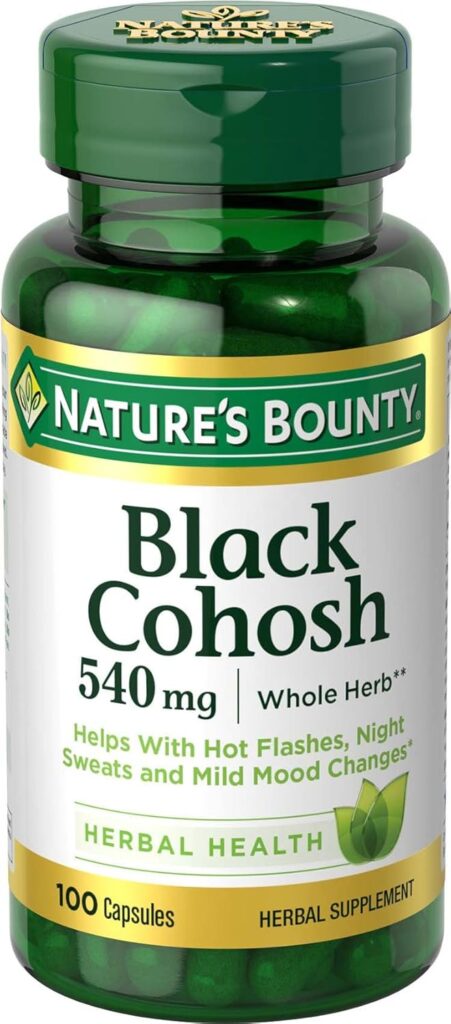
Natural Supplements designed to support hormone balance during perimenopause, such as those containing black cohosh, sage, or evening primrose oil (always consult with your healthcare provider first).

Cooling Sleep Solutions including breathable, moisture-wicking sleepwear and bedding designed to regulate temperature and reduce night sweats without overheating.

Herbal Teas and Beverages formulated for relaxation and sleep support, such as chamomile, passionflower, or valerian root blends that promote restful sleep naturally.
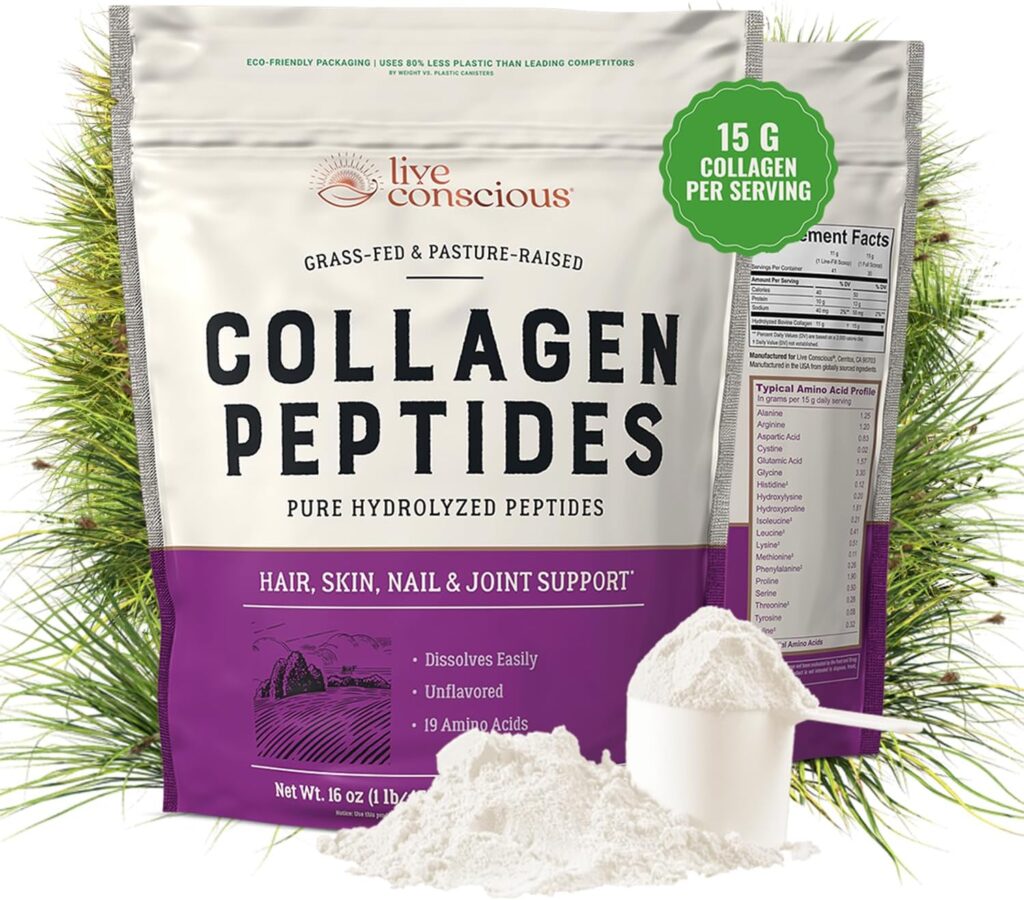
Skincare and Collagen Support products that address drier skin and support collagen production, along with plant-based protein powders that help maintain muscle mass and support metabolism.
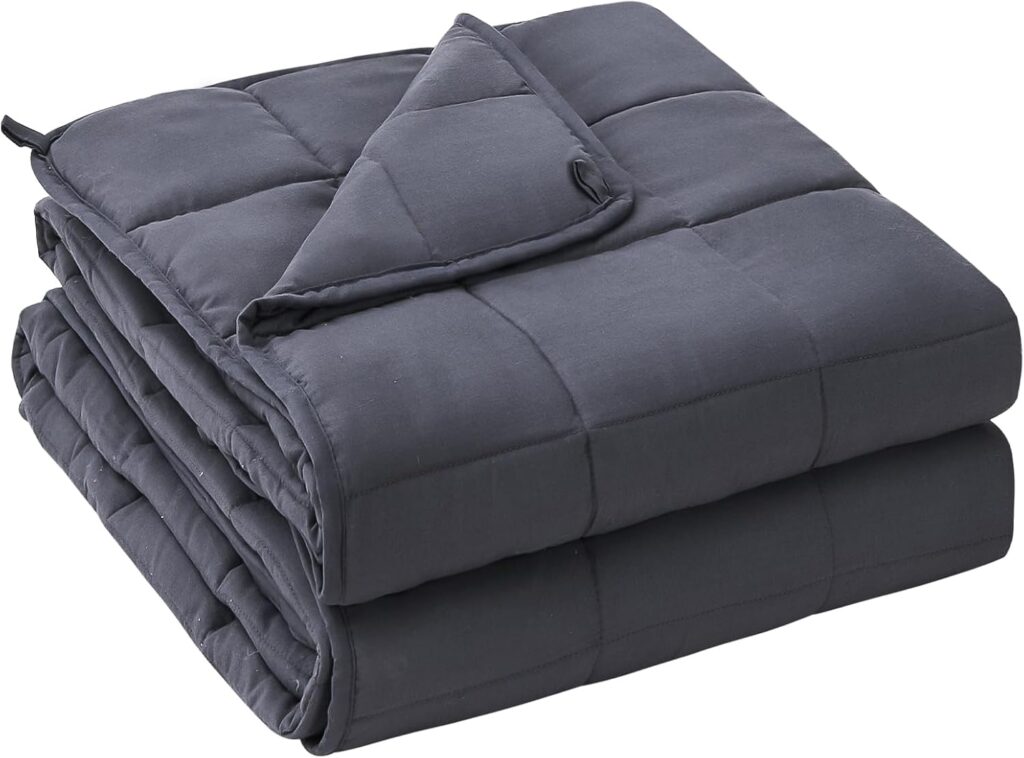
Sleep Aids such as weighted blankets, which can improve sleep quality by promoting relaxation and reducing anxiety during the night.
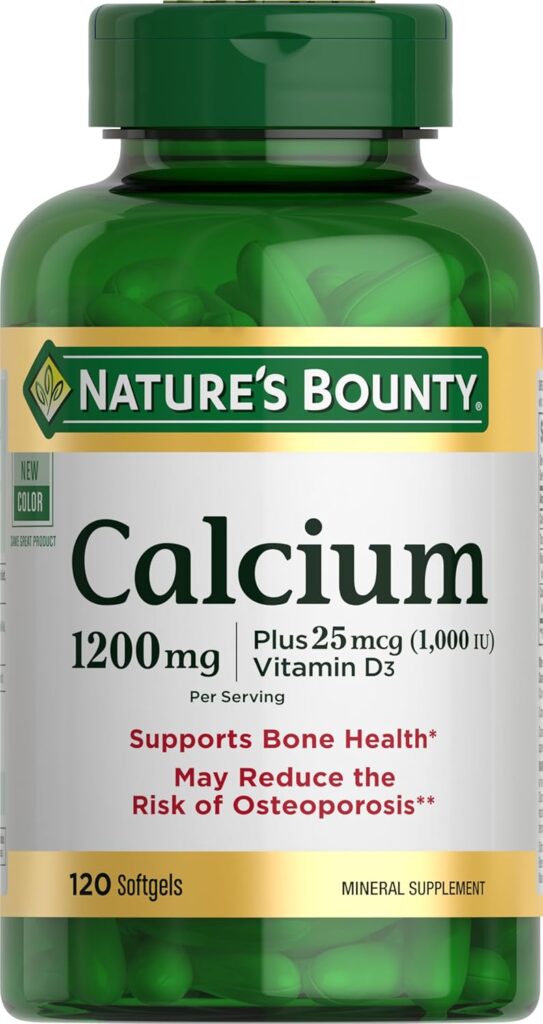
Bone Health Supplements containing calcium, vitamin D, and magnesium to support bone density and overall strength during postmenopause.
Final Thoughts

Every woman’s perimenopause journey is uniquely hers. Whether it lasts a few years or longer, this phase represents a powerful transformation—both physically and emotionally. Rather than viewing it as something to endure, consider it an opportunity to prioritize your health, listen to your body, and invest in practices and products that truly serve you.
The perimenopause transition doesn’t have to be overwhelming. By staying informed, making intentional lifestyle choices, and seeking support when you need it, you can navigate this phase with confidence, strength, and grace. Remember: this too shall pass, and a vibrant, healthy postmenopause awaits on the other side.
Embrace Your Next Chapter
Want more guidance on managing perimenopause naturally? Join our community for expert advice, hormone-friendly tips, and real stories from women thriving through the transition.