Best Supplements for Perimenopause Fatigue: Evidence-Based Solutions That Actually Work
Struggling with exhaustion during perimenopause isn’t unusual—up to 85% of women experience fatigue during this transitional phase. If you’re finding yourself drained despite getting adequate sleep, hormonal fluctuations might be the culprit. While lifestyle changes form the foundation of managing perimenopause symptoms, targeted supplementation can provide meaningful support for your energy levels.
This comprehensive guide explores science-backed supplements that can help combat perimenopause fatigue, plus what to avoid and how to use them safely.

Why Does Perimenopause Cause Such Severe Fatigue?
During perimenopause, your body experiences dramatic hormonal shifts that directly impact energy production:
Estrogen Decline: Lower estrogen levels affect mitochondrial function—the powerhouses of your cells—reducing your body’s ability to produce energy efficiently.
Progesterone Fluctuations: Irregular progesterone levels disrupt sleep quality, leading to non-restorative sleep and daytime exhaustion.
Cortisol Imbalance: Chronic stress from hormonal changes keeps cortisol elevated, eventually leading to adrenal fatigue and energy crashes.
Sleep Disruption: Hot flashes, night sweats, and anxiety can fragment sleep, preventing the deep rest needed for cellular repair and energy restoration.
8 Evidence-Based Supplements for Perimenopause Fatigue
1. Magnesium Glycinate (200-400mg daily)

For sleep and relaxation, it’s best to choose magnesium glycinate, 200-300 mg at bedtime, as this form is gentler on the digestive system than magnesium citrate or oxide.
Why it works: Magnesium is involved in over 300 enzymatic reactions related to energy production. It also promotes GABA activity, helping you achieve deeper, more restorative sleep.
Best timing: Take 1-2 hours before bedtime for optimal sleep support.
2. B-Complex Vitamins (High-potency formula)

B vitamins are crucial cofactors in converting food into cellular energy (ATP). Vitamins B6, C, and Magnesium contribute to the reduction of tiredness and fatigue and support a normal energy-yielding metabolism.
Key players: B12 for nerve function, B6 for neurotransmitter production, and folate for DNA synthesis and red blood cell formation.
Look for: Methylated forms (methylcobalamin, methylfolate) for better absorption.
3. Iron (Only if deficient – test first)
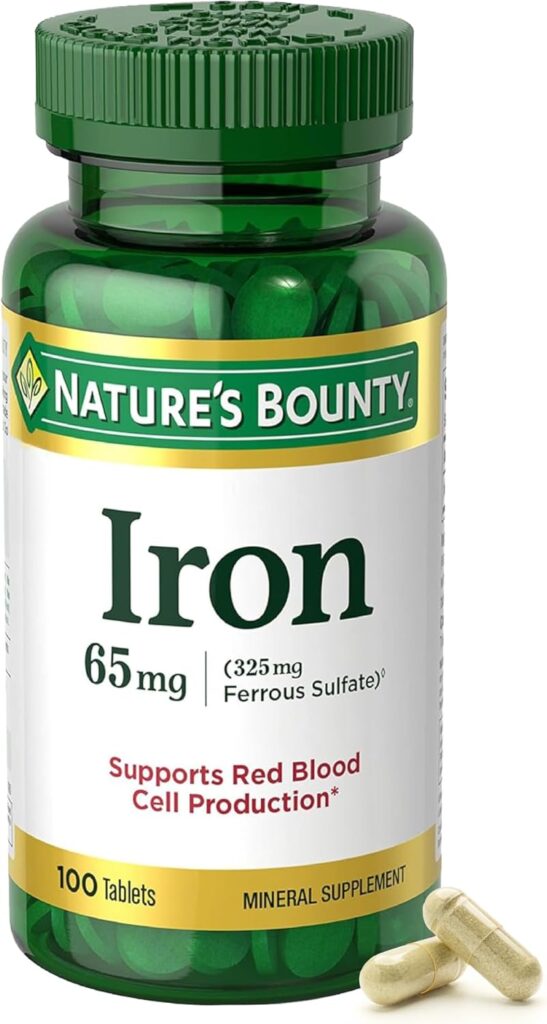
Heavy periods during perimenopause can lead to iron deficiency anemia, a major cause of fatigue. Always confirm deficiency through blood testing before supplementing, as excess iron can be harmful.
Testing markers: Serum ferritin, transferrin saturation, and hemoglobin levels.
4. Omega-3 Fatty Acids (1000-2000mg EPA/DHA daily)

These essential fats support brain health, reduce inflammation, and help stabilize mood—all crucial for managing mental fatigue during perimenopause.
Choose: High-quality fish oil or algae-based omega-3s with third-party testing for purity.
5. Adaptogenic Herbs
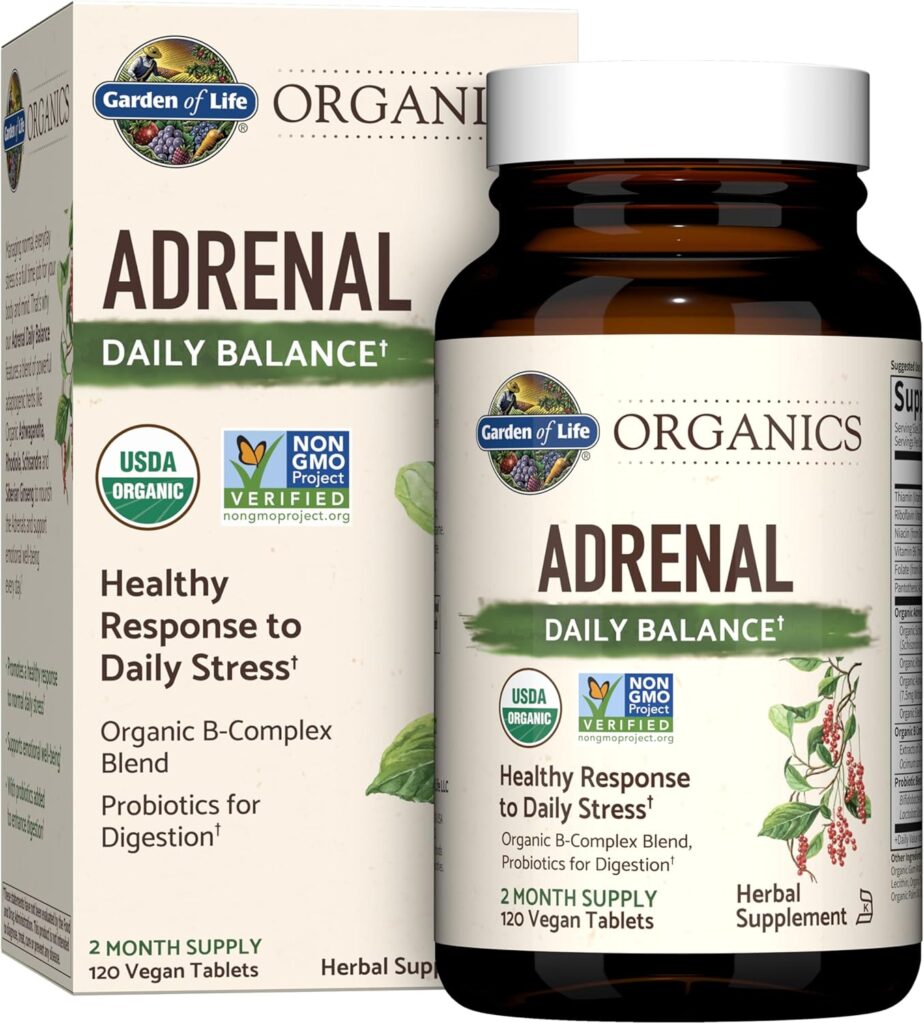
Clark highlights the inclusion of ashwagandha, which is shown to improve sleep, anxiety and perception of stress.
Ashwagandha (300-600mg daily): Helps regulate cortisol levels and improves stress resilience.
Rhodiola Rosea (200-400mg daily): Combats mental fatigue and enhances cognitive function.
American Ginseng: Supports energy without the jittery effects of caffeine.
6. Vitamin D3 (2000-4000 IU daily)

Many perimenopausal women are deficient in vitamin D, which is essential for mood regulation, immune function, and cellular energy production.
Testing: Aim for blood levels between 40-60 ng/mL (100-150 nmol/L).
7. Coenzyme Q10 (100-200mg daily)

A CoQ10 ingredient marketed by Kaneka Nutrients Europe as Ubiquinol appeared to alleviate self-reported symptoms of menopause in the majority of 200 women who took part in a consumer survey.
CoQ10 supports mitochondrial energy production and may help combat the cellular aging that accelerates during perimenopause.
8. Creatine Monohydrate (3-5g daily)

Supplementing with omega-3s, vitamin D, magnesium, creatine, and B vitamins may help. Some studies have shown that taking creatine may improve brain function such as short-term memory, working memory and reasoning in older women.
Particularly beneficial for mental clarity and reducing brain fog—a common complaint during perimenopause.
What the Research Really Says: Do These Supplements Work?
The evidence is promising but not miraculous. Most studies show modest to moderate improvements in energy levels when supplements are combined with lifestyle interventions. Individual responses vary significantly based on:
- Underlying nutrient deficiencies
- Severity of hormonal imbalance
- Overall health status
- Concurrent medications
- Lifestyle factors (diet, exercise, stress levels)
Important caveat: Supplements work best as part of a comprehensive approach, not as standalone solutions.
Red Flags: Supplements to Approach with Caution
- Hormone precursors (DHEA, pregnenolone) without medical supervision
- Unregulated “energy blends” with proprietary formulations
- High-dose single B vitamins (can create imbalances)
- Cheap, poorly absorbed forms (like magnesium oxide)
Maximizing Supplement Effectiveness: Timing and Combinations
Morning stack: B-complex, vitamin D, omega-3s, CoQ10
Evening stack: Magnesium glycinate, ashwagandha
With meals: Iron (if needed), fat-soluble vitamins (D, omega-3s)
Empty stomach: Adaptogenic herbs for better absorption
When to Consult a Healthcare Provider
Seek professional guidance if you experience:
- Persistent fatigue despite supplementation after 6-8 weeks
- Unusual symptoms or side effects
- Taking medications that may interact with supplements
- Underlying health conditions
Lifestyle Synergies: Making Supplements More Effective
Supplements work best when combined with:
Sleep hygiene: Cool room (65-68°F), consistent bedtime, limiting screens before bed.
Nutrient-dense diet: Focus on whole foods, adequate protein, and anti-inflammatory foods.
Regular movement: Even light exercise can improve energy and mood.
Stress management: Meditation, yoga, or other stress-reduction techniques.
Hydration: Dehydration is a common but overlooked cause of fatigue.
Bottom Line: A Realistic Approach to Perimenopause Fatigue

Perimenopause fatigue is real, frustrating, and treatable. While supplements can provide meaningful support, they’re most effective when part of a holistic approach that includes proper nutrition, adequate sleep, stress management, and regular movement.
Start with the basics—magnesium, B vitamins, and vitamin D—and add other supplements based on your specific symptoms and needs. Give any new regimen 6-8 weeks to show effects, and don’t hesitate to work with a healthcare provider familiar with perimenopause for personalized guidance.
Remember: This phase is temporary, and with the right support, you can maintain your energy and vitality throughout the transition.
Join Our Community
Want more tips on fighting fatigue and thriving during perimenopause? Join our email list for expert advice, natural remedies, and supportive stories from women navigating the same journey.