Yoga Poses to Calm Perimenopause Anxiety
Perimenopause can feel like an emotional rollercoaster—hormonal fluctuations trigger hot flashes, disrupt sleep patterns, and often leave you feeling anxious and overwhelmed. If racing thoughts and physical tension have become unwelcome companions during this transitional phase, you’re certainly not alone. While medical support and lifestyle modifications play crucial roles, incorporating specific yoga poses to calm perimenopause anxiety into your daily routine can provide natural, accessible relief when you need it most.
Understanding Perimenopause Anxiety
Perimenopause typically begins in your 40s, though it can start earlier or later. During this phase, declining estrogen levels don’t just affect your menstrual cycle—they directly impact neurotransmitters like serotonin and GABA, which regulate mood and anxiety. This hormonal shift can manifest as:
- Sudden waves of worry or panic
- Difficulty concentrating or “brain fog”
- Increased irritability or mood swings
- Physical tension, especially in shoulders and neck
- Sleep disturbances that worsen anxiety symptoms
How Yoga Transforms Perimenopause Anxiety
Yoga offers a multifaceted approach to managing perimenopause symptoms by addressing both physical and emotional aspects of anxiety. Regular practice provides:
Hormonal Balance Support: Gentle yoga poses stimulate the parasympathetic nervous system, helping regulate cortisol levels and supporting overall hormonal equilibrium.
Improved Sleep Quality: Restorative poses and breathing techniques calm an overactive mind, making it easier to fall asleep and stay asleep.
Enhanced Body Awareness: Yoga helps you recognize early anxiety signals, allowing you to respond with self-care rather than letting stress escalate.
Community and Self-Compassion: Whether practicing alone or in classes, yoga cultivates a nurturing relationship with your changing body.
7 Essential Yoga Poses to Calm Perimenopause Anxiety
1. Child’s Pose (Balasana)
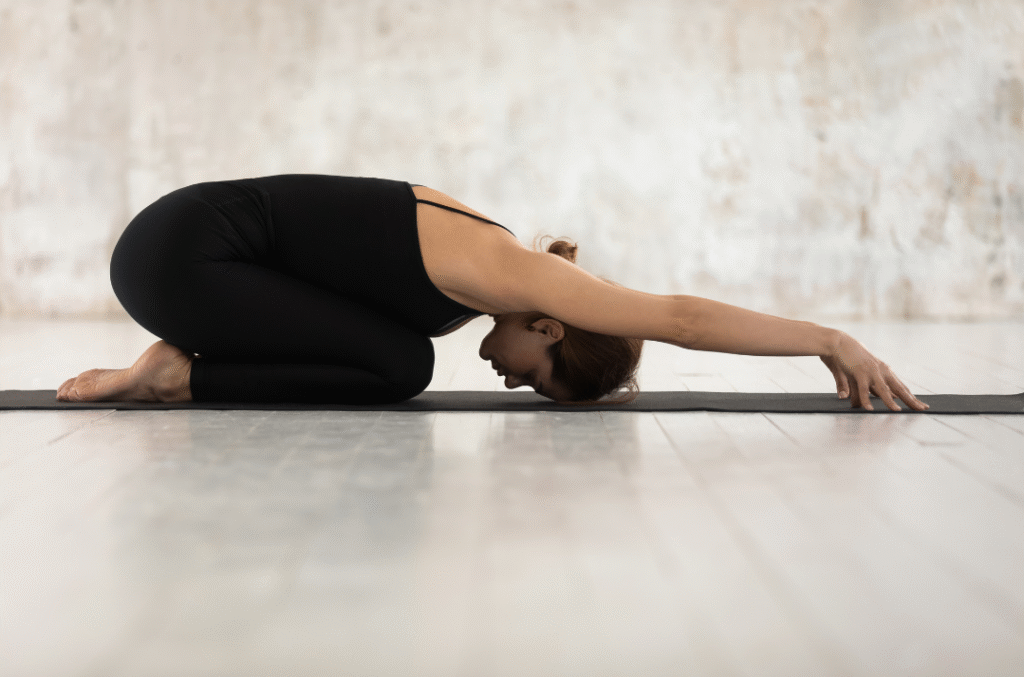
This deeply restorative posture activates your body’s relaxation response while providing a sense of safety and introspection.
How to practice: Kneel on your mat, touch your big toes together, and separate your knees hip-width apart. Fold forward, extending your arms in front of you or alongside your body. Rest your forehead on the mat and breathe deeply for 1-3 minutes.
2. Legs Up the Wall (Viparita Karani)
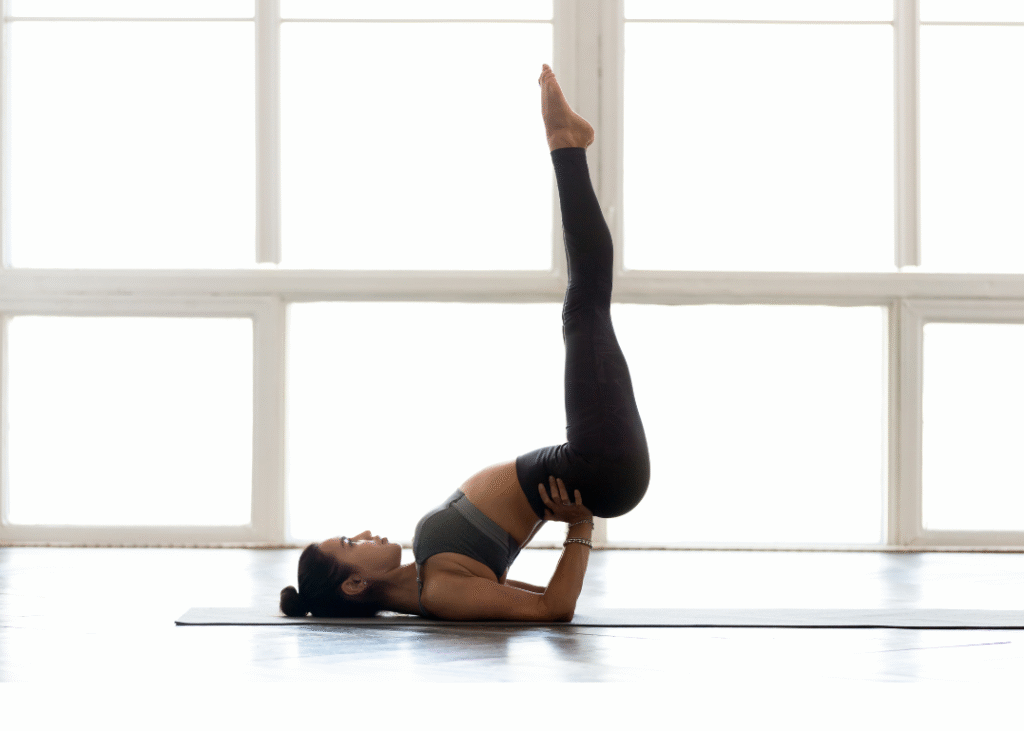
Perfect for evening practice, this pose reverses blood flow, calms the nervous system, and can help with hot flashes.
How to practice: Lie on your back near a wall, extending your legs up against it. Rest your arms by your sides, palms up. Close your eyes and focus on your breath for 5-15 minutes.
3. Supported Bridge Pose (Setu Bandhasana)
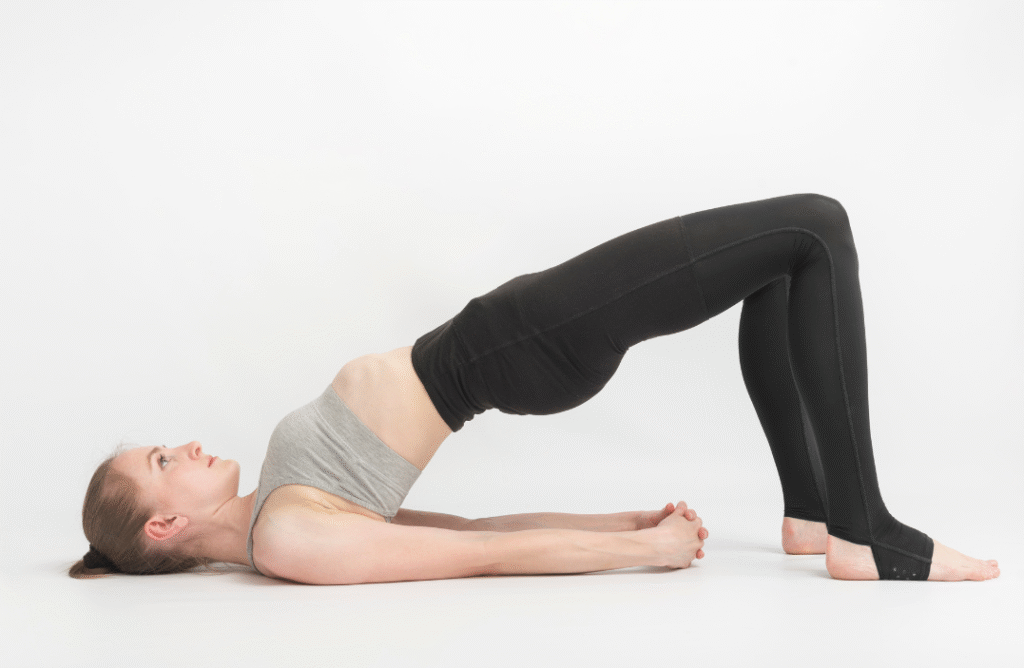
When practiced with props, this gentle heart opener relieves tension while energizing tired adrenal glands.
How to practice: Lie on your back, bend your knees, and place a yoga block or bolster under your sacrum. Allow your arms to rest beside you and breathe deeply for 3-5 minutes.
4. Cat-Cow Stretch (Marjaryasana-Bitilasana)
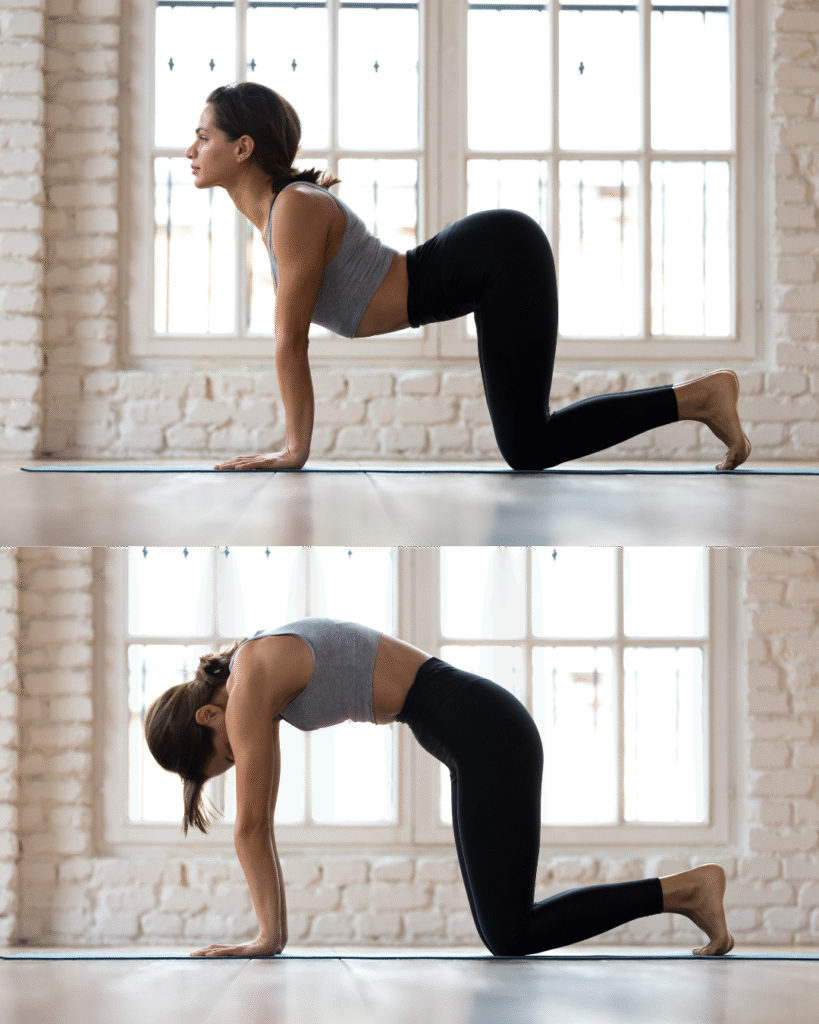
This flowing movement releases spinal tension while coordinating breath and movement—a key component of anxiety relief.
How to practice: Start on hands and knees. Inhale, arch your back and lift your chest (Cow). Exhale, round your spine and tuck your chin (Cat). Continue for 8-10 breaths.
5. Seated Forward Bend (Paschimottanasana)
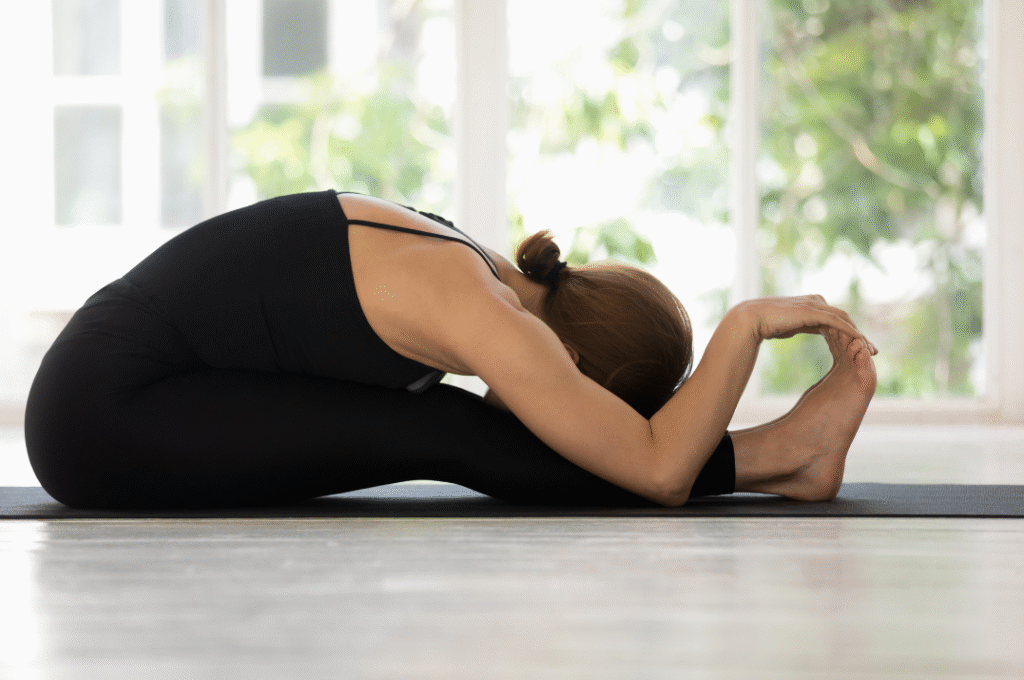
This introspective pose calms mental chatter while gently stretching the entire back body.
How to practice: Sit with legs extended, inhale to lengthen your spine, then exhale and fold forward from your hips. Rest your hands on your legs or feet and hold for 1-2 minutes.
6. Reclined Bound Angle Pose (Supta Baddha Konasana)
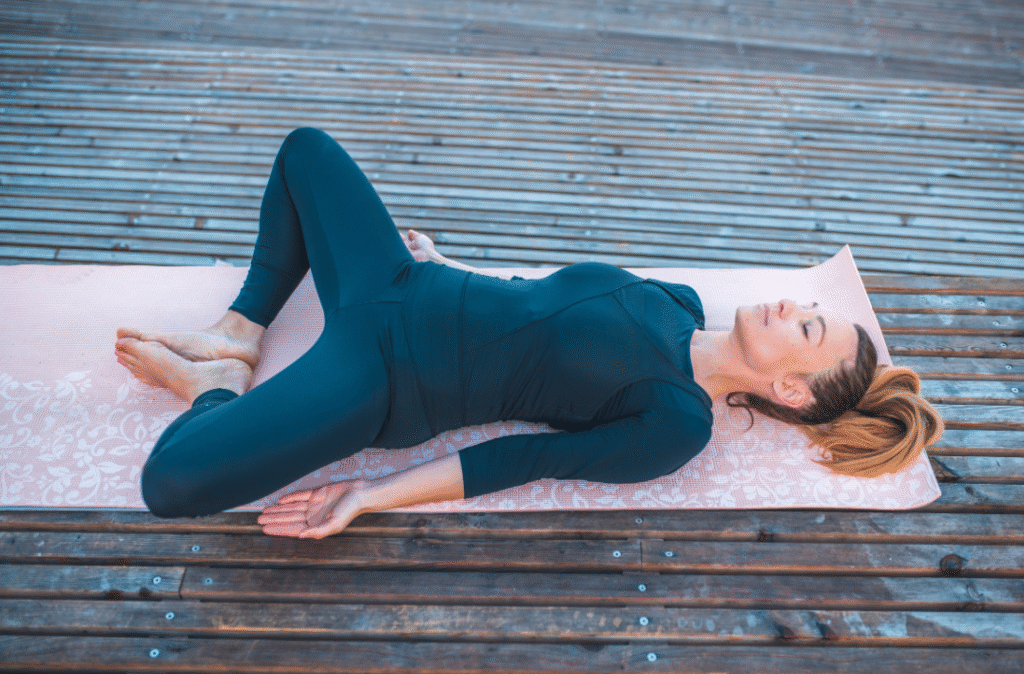
Particularly beneficial for reproductive health, this pose opens the hips and heart while promoting deep relaxation.
How to practice: Lie on your back, bring the soles of your feet together, and let your knees fall open. Place bolsters or pillows under your knees for support. Rest here for 5-10 minutes.
7. Corpse Pose (Savasana)
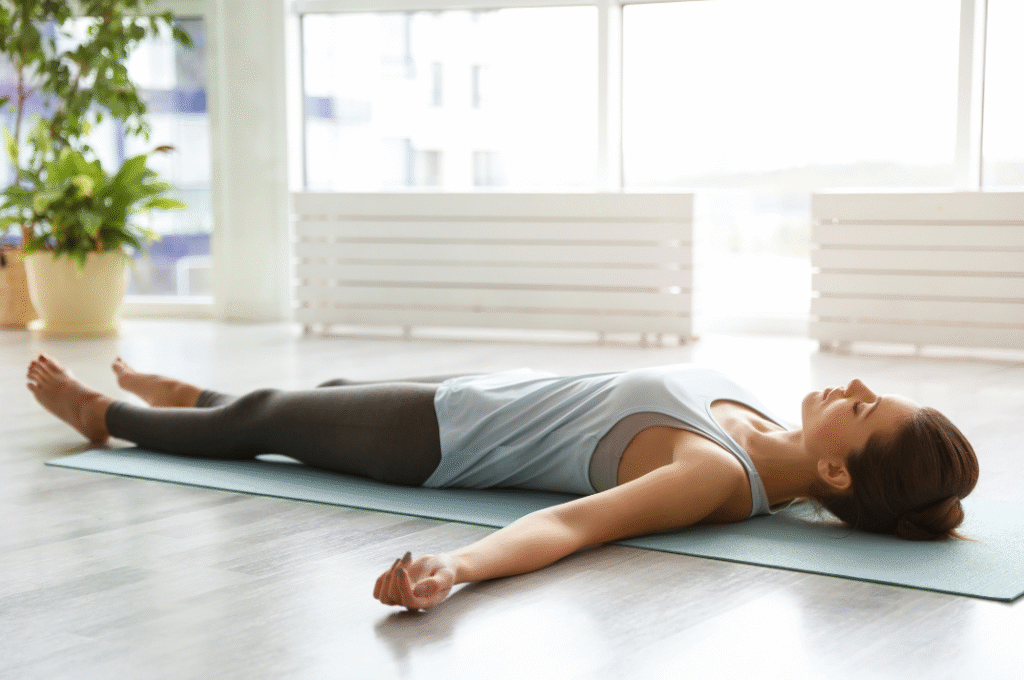
Never skip this essential pose—it’s where your nervous system integrates the benefits of your entire practice.
How to practice: Lie flat on your back, arms slightly away from your body, palms up. Close your eyes and consciously relax each part of your body for 5-10 minutes.
Bonus: Alternate Nostril Breathing (Nadi Shodhana)
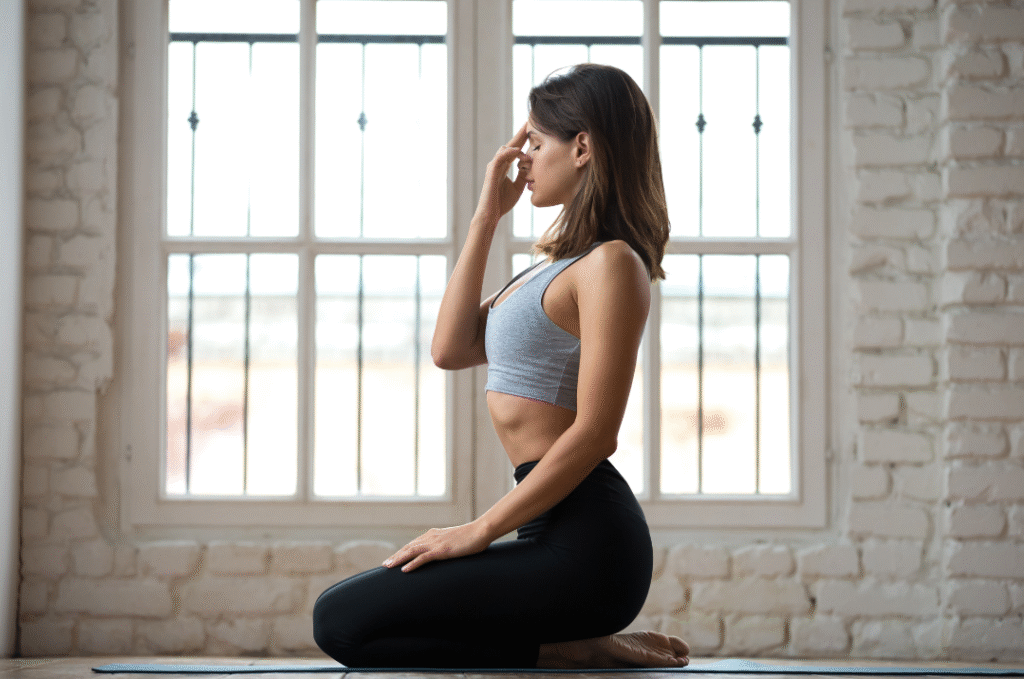
This pranayama technique balances the nervous system and can be practiced anytime anxiety arises.
How to practice: Use your right thumb to close your right nostril, inhale through the left. Close the left nostril with your ring finger, release the thumb, and exhale right. Continue alternating for 5-10 rounds.
Creating Your Anxiety-Relief Yoga Routine
Morning Practice (10-15 minutes):
- Cat-Cow Stretch (2 minutes)
- Seated Forward Bend (2 minutes)
- Alternate Nostril Breathing (3 minutes)
Evening Practice (15-20 minutes):
- Supported Bridge Pose (5 minutes)
- Legs Up the Wall (10 minutes)
- Corpse Pose (5 minutes)
Tips for Maximizing Your Practice
Create a Calming Environment: Dim lighting, comfortable temperature, and perhaps some gentle music or essential oils can enhance your practice’s effectiveness.
Use Props Liberally: Yoga blocks, bolsters, straps, and blankets make poses more accessible and comfortable, especially when dealing with joint stiffness or fatigue.
Listen to Your Body: Perimenopause symptoms can vary daily. Some days you might need more gentle poses, while others you might feel ready for slightly more active sequences.
Be Consistent Rather Than Perfect: Even 5-10 minutes of daily practice provides more benefits than occasional longer sessions.
Track Your Progress: Notice how you feel before and after practice. This awareness can motivate you to maintain your routine.
When to Seek Additional Support
While these yoga poses to calm perimenopause anxiety can be incredibly effective, don’t hesitate to reach out for professional help if:
- Anxiety significantly interferes with daily activities
- You experience panic attacks
- Sleep problems persist despite consistent practice
- You feel overwhelmed by emotional changes
Combining yoga with therapy, medical care, or support groups can provide comprehensive relief during this transitional time.
Recommended Yoga Props for Your Practice
Essential Items:
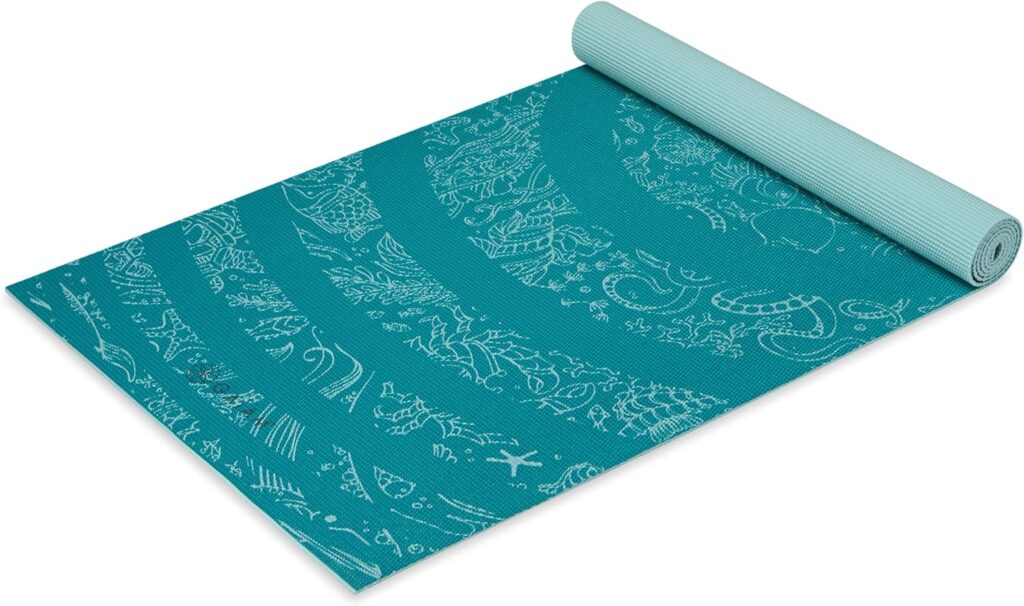
- Non-slip yoga mat with good cushioning
- Yoga blocks (2) for support and alignment
- Yoga strap for accessibility in stretches
- Bolster or firm pillows for restorative poses
Comfort Additions:
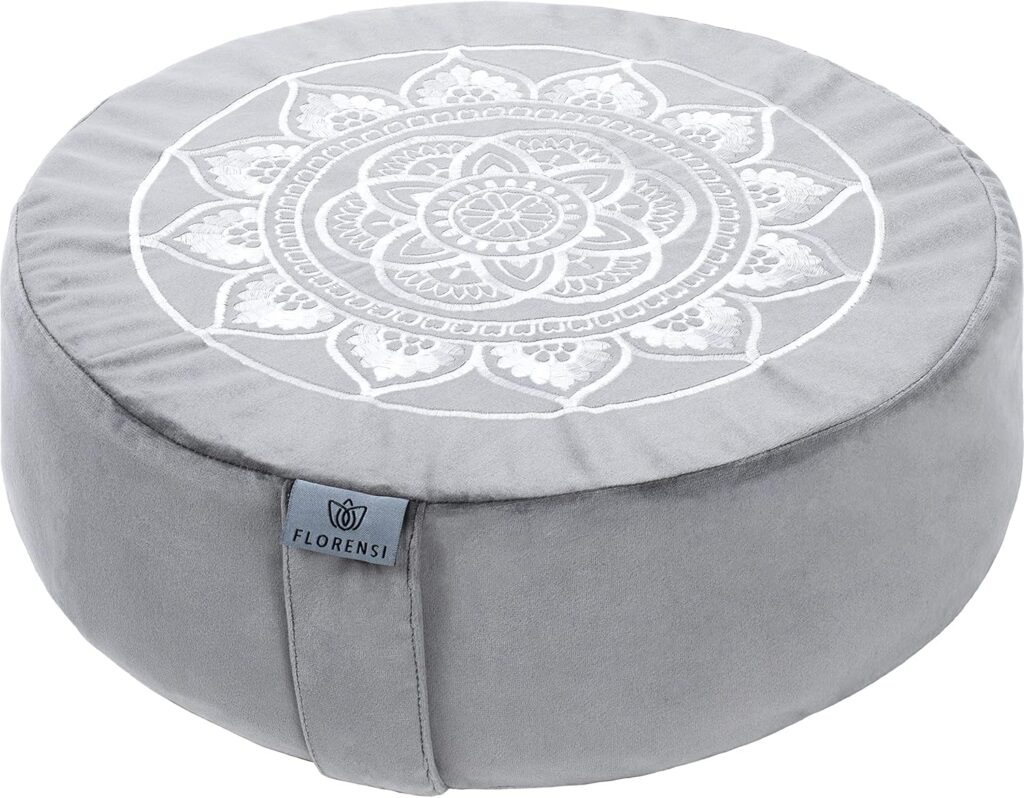
- Meditation cushion for seated practices
- Yoga blanket for warmth during relaxation
- Eye pillow for deeper rest in Corpse Pose
- Breathable, stretchy yoga wear that moves with you
Final Thoughts
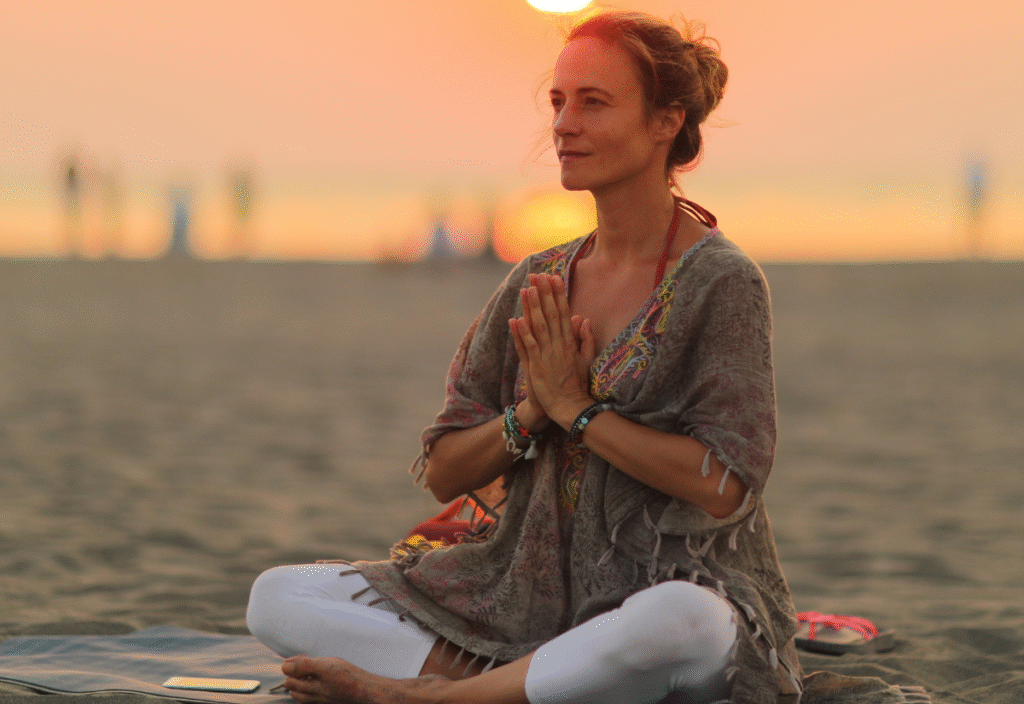
Perimenopause represents a profound transition—not just physically, but emotionally and spiritually. While this phase can bring unexpected challenges, it also offers an opportunity to develop a deeper relationship with your body and cultivate practices that will serve you for years to come.
These yoga poses to calm perimenopause anxiety aren’t just exercises—they’re tools for self-compassion, moments of peace in busy days, and gentle reminders that you have the power to influence how you feel. Your practice doesn’t need to look perfect or match anyone else’s. What matters is showing up for yourself, one breath at a time.
Remember that healing isn’t linear, and some days will feel easier than others. That’s not just okay—it’s completely normal. Each time you roll out your mat, you’re investing in your wellbeing and honoring the wisdom of your body as it navigates this natural transition.
Start where you are, use what you have, and trust that even small, consistent efforts can create meaningful change in how you experience perimenopause.
Find Your Calm
Want more practical tips for managing perimenopause naturally? Join our community for nutrition advice, lifestyle strategies, and real stories from women navigating the same journey.