Anti-Inflammatory Foods for Perimenopause: Eat to Ease Hormonal Symptoms
Why Inflammation Matters During Perimenopause
During perimenopause, your hormone levels—especially estrogen—fluctuate dramatically. These shifts can trigger inflammation, leading to symptoms like bloating, fatigue, joint pain, and even mood swings. If you’ve been wondering why your body feels different lately, inflammation is often the culprit hiding behind the scenes.
The good news? What you eat can make a real difference. Incorporating anti-inflammatory foods for perimenopause into your daily routine is one of the most accessible ways to take control of your symptoms. An anti-inflammatory diet can help reduce discomfort, balance hormones, and support your overall well-being through this transition. You don’t need complicated meal plans or extreme restrictions—just smart food choices that work with your body, not against it.
Top Anti-Inflammatory Foods for Perimenopause
1. Fatty Fish
Salmon, sardines, and mackerel are nutritional powerhouses rich in omega-3 fatty acids, which help lower inflammation and support heart and brain health during hormonal shifts. Omega-3s also help regulate neurotransmitters that influence mood and sleep—two things that often take a hit during perimenopause. Aim for at least two servings a week, or consider incorporating plant-based omega-3 sources like walnuts if you prefer.
2. Leafy Greens
Spinach, kale, and Swiss chard are packed with antioxidants, magnesium, and vitamin K—nutrients that combat oxidative stress and support hormone metabolism. Magnesium is particularly valuable during perimenopause, as it helps ease muscle tension, supports sleep quality, and can reduce the severity of hot flashes. Add a handful to your morning smoothie, toss into soups, or enjoy as a simple sautéed side dish.
3. Berries
Blueberries, strawberries, and raspberries are full of vitamin C and polyphenols that protect cells and reduce inflammation naturally. These colorful fruits also contain anthocyanins, compounds that research suggests may help stabilize blood sugar—important since blood sugar swings can intensify perimenopause symptoms. Fresh or frozen both work beautifully; frozen berries are often more affordable and just as nutritious.
4. Nuts and Seeds
Walnuts, almonds, chia seeds, and flaxseeds provide healthy fats and fiber that help regulate estrogen levels and blood sugar. Flaxseeds, in particular, contain lignans—plant compounds with weak estrogenic properties that some research suggests may help balance hormones during perimenopause. A small handful (about 1 ounce) as a snack or sprinkled on yogurt and salads gives you the benefits without excess calories.
5. Extra Virgin Olive Oil
Extra virgin olive oil is a cornerstone of the Mediterranean diet, renowned for its anti-inflammatory benefits and heart-protective properties. It contains oleocanthal, a compound with effects similar to anti-inflammatory medications. Use it as your main cooking oil for low-to-medium heat cooking and drizzle it generously over salads and finished dishes. Its rich flavor means a little goes a long way.
6. Turmeric
The curcumin in turmeric has powerful anti-inflammatory properties that may help reduce joint pain and support overall inflammation management. Pair it with black pepper to boost absorption—the piperine in black pepper can increase curcumin bioavailability by up to 2000%. Add turmeric to soups, teas, rice dishes, or blend it into smoothies for a gentle but effective anti-inflammatory boost.
7. Avocados
Loaded with potassium, fiber, and monounsaturated fats, avocados help support hormone production and fight inflammation from the inside out. They’re also excellent for nutrient absorption—the healthy fats in avocados help your body absorb fat-soluble vitamins like vitamins A, D, E, and K. Enjoy them on toast, in salads, or as a creamy addition to smoothies.
Foods to Limit or Avoid
To keep inflammation at bay and support symptom relief, try to reduce these from your daily routine:
Processed or fried foods trigger inflammatory responses in your body and can amplify bloating and fatigue. Refined sugar and white flour cause blood sugar spikes that worsen mood swings and energy crashes. Excess caffeine and alcohol can intensify hot flashes, night sweats, and anxiety. Red and processed meats contain compounds that promote inflammation when consumed in large quantities.
These foods can increase inflammation and worsen perimenopause symptoms like hot flashes, anxiety, joint pain, and fatigue—so small adjustments here can yield noticeable relief.
Practical Tips for Getting Started
Start small and build gradually. You don’t need to overhaul your entire diet overnight. Begin by swapping out one processed item for a whole food, adding one anti-inflammatory meal to your week, or trying one new recipe with anti-inflammatory foods for perimenopause. Notice how your body responds—many women report feeling better within 2-4 weeks of dietary changes.
Stay hydrated, as dehydration can intensify hot flashes and joint pain. Aim for at least 8-10 glasses of water daily, and consider herbal teas (chamomile, ginger, green tea) that offer additional anti-inflammatory benefits. Don’t forget quality sleep and gentle movement like walking or yoga—they work synergistically with your diet to ease perimenopause symptoms.
Supplements and Products to Consider
While whole foods should be your primary source of nutrients, some products can support your anti-inflammatory efforts:
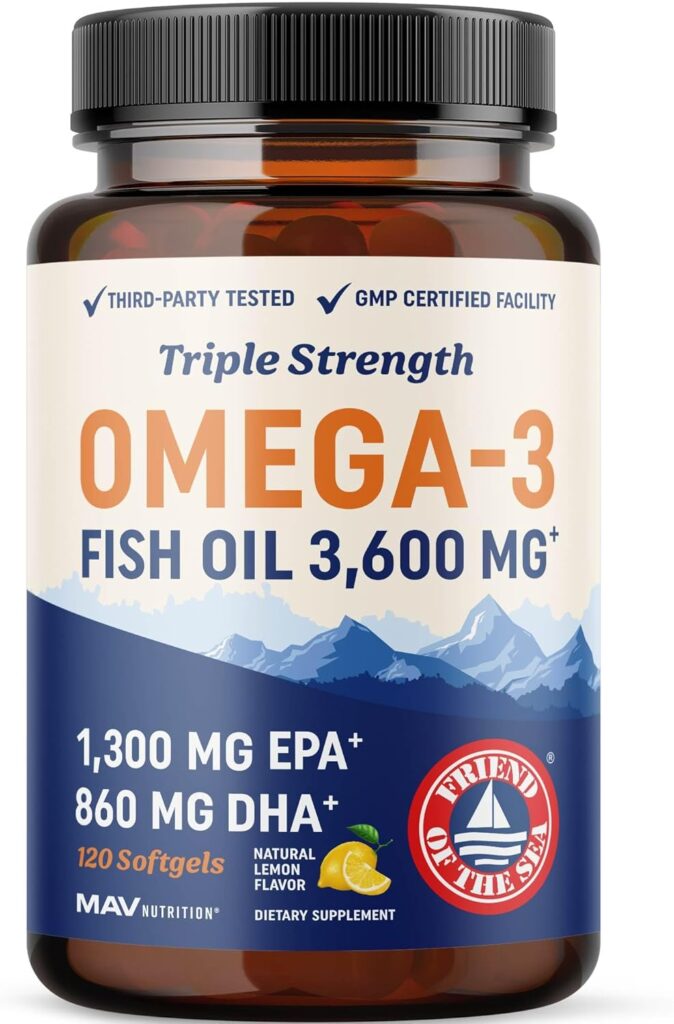
- Omega-3 supplements (fish oil or algae-based for vegetarians): Support heart health, brain function, and inflammation reduction
- Turmeric and black pepper supplements or extract powders: Convenient for daily anti-inflammatory support
- Cold-pressed extra virgin olive oil: Higher in polyphenols than refined versions
- Chia seeds or flaxseed meal: Easy to add to smoothies, oatmeal, or yogurt
- High-quality, non-toxic cookware: Prevents harmful chemical leaching during meal preparation
- Herbal tea blends with ginger, turmeric, or chamomile: Soothing and anti-inflammatory
Choose products that are third-party tested, organic when possible, and free from unnecessary additives.
Final Thoughts

Your diet is one of the most powerful tools for easing perimenopause symptoms—and unlike hormone medications, it’s entirely within your control. By focusing on whole, nutrient-rich, and anti-inflammatory foods for perimenopause, you’re giving your body the support it needs to adapt, rebalance, and thrive through hormonal changes. These aren’t temporary fixes; they’re investments in your long-term health and vitality.
Remember, perimenopause is a transition, not a permanent state. The right nutritional support combined with patience and self-compassion can make this chapter of your life feel manageable—and even empowering. Start today with one small change, and trust that your future self will thank you.
Nourish Your Body, Balance Your Hormones
Want more practical nutrition tips for perimenopause? Join our community for expert advice, anti-inflammatory recipes, and real stories from women embracing wellness through every stage.