Is Itchy Skin a Sign of Perimenopause? (And What Helps)
If you’ve been wondering, “Is itchy skin a sign of perimenopause?”—the answer is yes, it absolutely can be. Many women going through this transitional phase experience unexpected skin changes, including persistent itching, dryness, and increased sensitivity. You’re not imagining it, and you’re definitely not alone. Hormonal shifts during perimenopause can affect more than just your mood and menstrual cycle—they can significantly impact your skin’s health and comfort level. Let’s explore why this happens and, more importantly, what you can do to find relief.
Why Perimenopause Causes Itchy Skin
The connection between perimenopause and itchy skin comes down to hormones—specifically estrogen. As your estrogen levels begin to fluctuate and decline during perimenopause, your skin undergoes several changes that can leave it feeling uncomfortable.
Here’s what’s happening beneath the surface:
Reduced Collagen Production: Estrogen stimulates collagen production, which keeps skin plump and resilient. When estrogen drops, you lose about 30% of your skin’s collagen in the first five years of perimenopause.
Decreased Natural Oils: Your sebaceous glands produce less sebum (your skin’s natural oil), weakening the moisture barrier that protects against irritation and water loss.
Thinner Skin: The epidermis becomes thinner, particularly on your face, neck, and arms, making these areas more vulnerable to environmental stressors and sensitivities.
Altered pH Levels: Hormonal changes can affect your skin’s pH balance, potentially making it more alkaline and less able to defend against bacteria and irritants.
Other Contributing Factors
Beyond hormonal changes, several other perimenopause-related factors can intensify skin itching:
- Dehydration from hot flashes and night sweats: You may lose significant moisture through perspiration
- Compromised circulation: Changes in blood flow can affect nutrient delivery to your skin
- Heightened sensitivity: Your skin may react more strongly to products, fabrics, and environmental factors that never bothered you before
- Stress and sleep disruption: Both can trigger inflammatory responses that worsen itching
- Environmental conditions: Dry air, harsh weather, and sun exposure become more problematic
Common Areas Affected by Itchy Skin During Perimenopause
Is itchy skin a sign of perimenopause if it appears in specific locations? Yes—certain areas are more prone to irritation during this time:
- Arms, legs, and back: Large surface areas that easily become dehydrated
- Chest and neck: Thin-skinned areas particularly vulnerable to hormonal changes
- Scalp: May feel dry, tight, or flaky
- Face: Especially around the cheeks and jawline
- Intimate areas: Vaginal dryness and itching due to decreased estrogen affecting mucous membranes
- Hands and elbows: Areas frequently exposed to water and environmental elements
If your itching is severe, accompanied by rashes, bleeding, or infection, or doesn’t improve with home care, consult your healthcare provider. These could indicate conditions like eczema, psoriasis, or thyroid issues that require medical attention.
How to Relieve Itchy Skin During Perimenopause
The good news? There are many effective ways to soothe and protect your skin during this transition.
1. Switch to a Gentle, Hydrating Cleanser
Ditch harsh soaps that strip your skin’s natural oils. Choose fragrance-free, creamy cleansers with hydrating ingredients. Avoid anything with sulfates, alcohol, or strong fragrances that can further irritate sensitive skin.
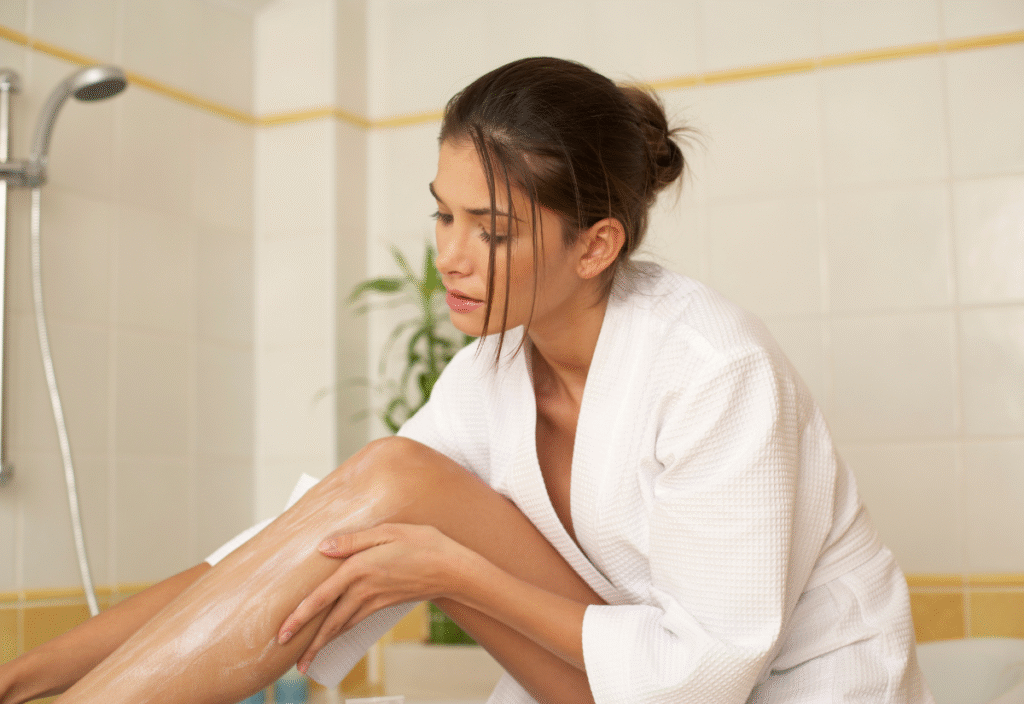
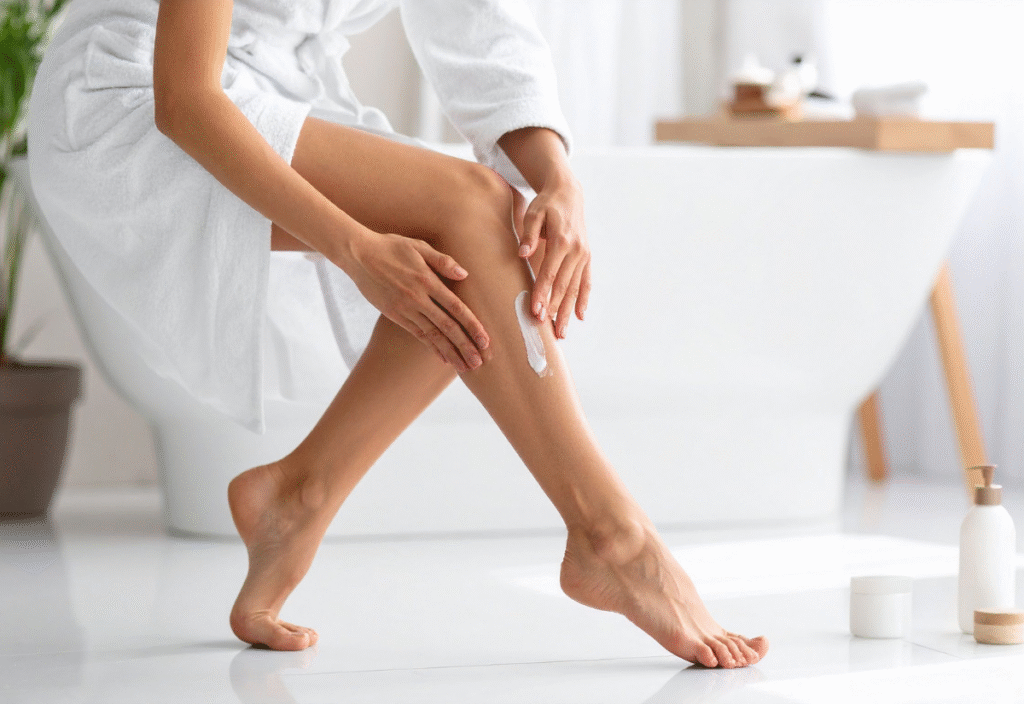
2. Moisturize While Skin Is Still Damp
This is one of the most effective strategies. Apply a rich moisturizer or body butter within three minutes of showering to trap water in your skin. Look for products containing:
- Ceramides: Rebuild and strengthen the moisture barrier
- Hyaluronic acid: Holds up to 1,000 times its weight in water
- Shea butter or cocoa butter: Provide deep, lasting hydration
- Niacinamide: Reduces inflammation and improves barrier function
- Glycerin: Draws moisture into the skin
3. Hydrate from the Inside Out
Drink at least eight glasses of water daily—more if you’re experiencing hot flashes. Include water-rich foods in your diet like cucumber, watermelon, celery, oranges, and berries. Omega-3 fatty acids from fish, flaxseeds, and walnuts also support skin health.
4. Adjust Your Shower Routine
Keep showers short (10 minutes or less) and use lukewarm rather than hot water. Hot water may feel relaxing, but it strips away essential oils your skin desperately needs during perimenopause.
5. Add Moisture to Your Environment
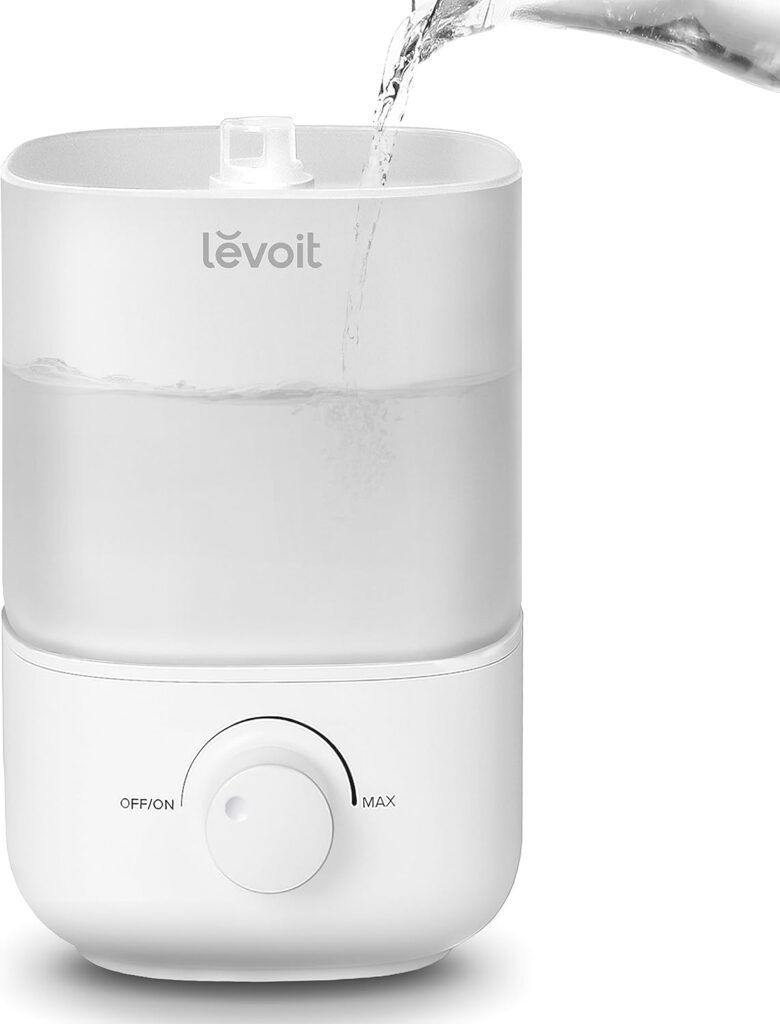
Run a humidifier in your bedroom, especially during winter months or in dry climates. Aim for 30-50% indoor humidity to keep your skin from drying out while you sleep.
6. Apply Cool Compresses for Immediate Relief
When itching becomes intense, place a cool, damp washcloth on the affected area for 10-15 minutes. This provides instant relief without damaging your skin through scratching.
7. Wear Breathable, Natural Fabrics
Choose cotton, bamboo, or silk clothing and bedding. These materials allow your skin to breathe and are less likely to trigger irritation compared to synthetic fabrics.
8. Consider Supplements and Diet Changes
Talk to your doctor about supplements that support skin health during perimenopause:

- Evening primrose oil: May help with hormonal skin changes
- Vitamin E: Supports skin repair and moisture retention
- Probiotics: Can improve skin barrier function
- Collagen peptides: May help compensate for declining collagen production
9. Protect Your Skin Barrier
Limit exfoliation to once or twice weekly with gentle products. Over-exfoliating compromises your already-vulnerable moisture barrier. Always follow with a nourishing moisturizer.
10. Manage Stress
Since stress can worsen inflammation and itching, incorporate relaxation practices like deep breathing, yoga, meditation, or gentle exercise into your routine.
Recommended Products for Perimenopause Skin
- Fragrance-free hydrating body wash
- Ceramide-rich body lotion or cream
- Cooling aloe vera gel (pure, without alcohol or fragrance)
- Bedroom humidifier with adjustable settings
- Soft cotton or bamboo pajamas designed for sensitive skin
- Gentle, pH-balanced intimate wash for vaginal discomfort
When to See a Doctor
While itchy skin is common during perimenopause, certain symptoms warrant professional evaluation:
- Itching that interferes with sleep or daily activities
- Visible rashes, blisters, or skin changes
- Signs of infection (redness, warmth, pus, or fever)
- Itching accompanied by fatigue, weight changes, or other unusual symptoms
- No improvement after 2-3 weeks of consistent home care
Your healthcare provider may recommend prescription-strength moisturizers, topical corticosteroids, or hormone replacement therapy (HRT) if appropriate for your situation.
Final Thoughts
So, is itchy skin a sign of perimenopause? Absolutely—and it’s one of the more frustrating symptoms many women face during this transition. The hormonal changes that come with declining estrogen levels can leave your skin feeling dry, sensitive, and uncomfortable. But with the right approach to skincare, hydration, and self-care, you can significantly reduce itching and restore comfort to your skin.
Remember that perimenopause is a natural phase, and your body is adapting to important changes. Be patient with yourself and your skin. What worked for you in your 30s might need adjusting now, and that’s perfectly normal. Focus on gentle, consistent care, and don’t hesitate to reach out to your healthcare provider if you need additional support.
Your skin has carried you through so much—now it’s time to give it the extra love and attention it deserves during this transitional chapter. With these strategies in your toolkit, you can move through perimenopause with greater comfort and confidence.
Restore Comfort and Confidence
Itchy skin doesn’t have to be your new normal. By making small skincare changes and keeping your body hydrated, you can feel comfortable in your skin again.
Want more tips for managing perimenopause naturally? Join our community for expert advice, self-care strategies, and real stories from women who understand exactly what you’re going through.