What Does Low Estrogen Feel Like? (10 Signs to Know)
If you’re in your 40s or early 50s and experiencing unusual changes in your body, you might be wondering: what does low estrogen feel like? You’re not alone in this journey. Estrogen, often called the “female hormone,” plays a crucial role in women’s health, influencing everything from your menstrual cycle and mood to bone strength and skin elasticity.
During perimenopause—the transitional period before menopause—estrogen levels naturally begin their decline, typically starting in your mid-40s. While this is a normal part of aging, the symptoms can sometimes feel confusing, overwhelming, or even alarming. Many women find themselves questioning whether what they’re experiencing is “normal” or if something else might be wrong.
Understanding what low estrogen feels like can provide the clarity and reassurance you need. The following 10 signs are among the most common indicators that your estrogen levels may be declining, helping you recognize patterns in your body and take proactive steps for your health.

10 Signs of Low Estrogen
1. Hot Flashes and Night Sweats
Perhaps the most well-known symptom, hot flashes bring sudden waves of intense heat, often accompanied by flushing and profuse sweating. These episodes can last anywhere from 30 seconds to several minutes and may occur multiple times throughout the day. Night sweats—hot flashes that happen during sleep—can be particularly disruptive, soaking through pajamas and bedding, leaving you exhausted and irritable the next day.
2. Irregular Periods
As estrogen levels fluctuate unpredictably during perimenopause, your once-reliable menstrual cycle may become a source of confusion. You might experience periods that are shorter or longer than usual, significantly heavier or surprisingly light. Some months, your period might arrive early, while other times it may be weeks late—or skip entirely. This irregularity is often one of the first signs women notice.
3. Mood Swings and Emotional Changes
Estrogen plays a vital role in regulating neurotransmitters like serotonin and dopamine, which directly impact your mood. When estrogen levels drop, you might find yourself experiencing intense mood swings, feeling anxious about things that never bothered you before, or becoming irritable over minor inconveniences. Some women describe feeling like they’re on an emotional rollercoaster, with feelings of sadness or overwhelm appearing without obvious triggers.
4. Sleep Disturbances
Low estrogen can wreak havoc on your sleep patterns in multiple ways. Beyond night sweats disrupting your rest, you might find it increasingly difficult to fall asleep or stay asleep through the night. Many women report waking up in the early hours feeling wide awake, their minds racing with worries or to-do lists. This sleep fragmentation leaves you feeling unrested, even after spending adequate time in bed.
5. Vaginal Dryness and Discomfort
Declining estrogen levels directly affect the vaginal tissues, causing them to become thinner, less elastic, and produce less natural lubrication. This can lead to persistent dryness, itching, or burning sensations. Intimacy may become uncomfortable or even painful, which can strain relationships and impact your quality of life.
6. Decreased Libido
The hormonal shifts of perimenopause can significantly impact your sexual desire and response. You might notice that activities or thoughts that once sparked interest now feel unimportant or even unappealing. This isn’t just about physical changes—it’s also connected to fatigue, mood changes, and the discomfort from vaginal dryness.
7. Persistent Fatigue
Even with adequate sleep, you might find yourself feeling chronically tired or lacking your usual energy. This isn’t just ordinary tiredness—it’s a deep fatigue that can make everyday tasks feel overwhelming. Hormonal imbalances affect your body’s energy regulation systems, leaving you feeling drained despite rest.
8. Brain Fog and Memory Issues
Many women describe experiencing “brain fog”—a frustrating combination of difficulty concentrating, forgetfulness, and mental fuzziness. You might walk into a room and forget why you went there, struggle to find words during conversations, or have trouble focusing on tasks that were once routine. This cognitive cloudiness is directly linked to declining estrogen levels.
9. Bone and Joint Discomfort
Estrogen is crucial for maintaining bone density and joint health. As levels decrease, you might notice new aches and stiffness, particularly in the morning or after periods of inactivity. Some women experience generalized joint pain or notice that old injuries seem to flare up more frequently. Over time, low estrogen increases the risk of osteoporosis.
10. Hair and Skin Changes
Your appearance might start reflecting internal hormonal changes. Hair may become noticeably thinner, particularly around the crown or temples, while nails might become more brittle and prone to breaking. Skin often becomes drier, less elastic, and may show increased signs of aging. Some women also notice changes in body hair distribution.
When to Seek Support
While these symptoms are common during perimenopause, they don’t have to control your life. If you’re experiencing multiple signs or if symptoms are significantly impacting your daily activities, relationships, or overall well-being, consider speaking with a healthcare provider who specializes in women’s hormonal health.
Helpful Products and Strategies
Natural Support Options:
- Herbal teas containing red clover, black cohosh, or evening primrose for hormone balance
- High-quality omega-3 supplements to support mood and joint health
- Magnesium supplements for better sleep and reduced anxiety
- Cooling sleepwear and moisture-wicking bedding for hot flashes
- Natural, pH-balanced moisturizers for vaginal dryness
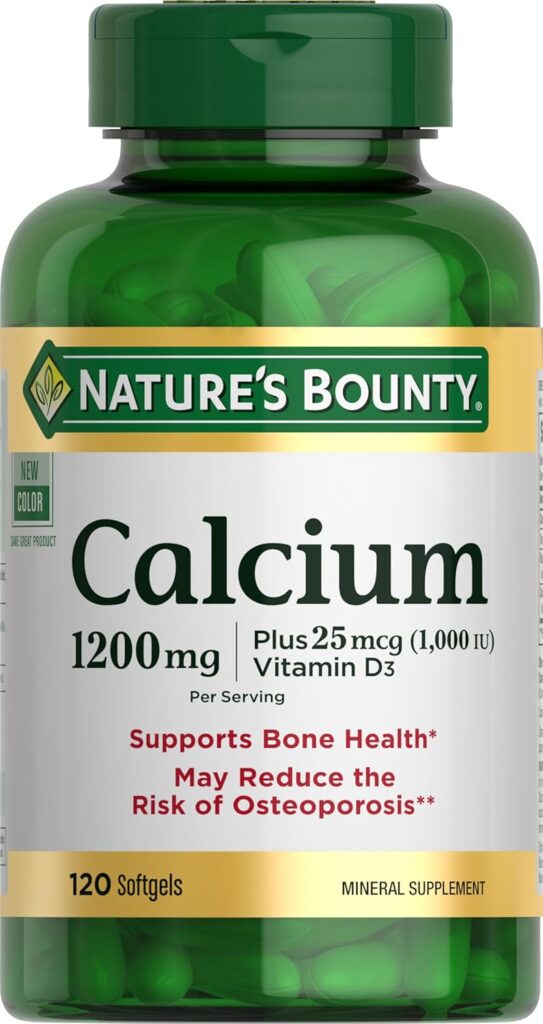
- Calcium and vitamin D supplements for bone health support
Lifestyle Approaches:
- Regular weight-bearing exercise to maintain bone density
- Stress-reduction techniques like yoga or meditation
- Maintaining a consistent sleep schedule
- Limiting caffeine and alcohol, especially in the evening
Final Thoughts

Understanding what does low estrogen feel like empowers you to recognize your body’s signals and respond with compassion rather than confusion. These symptoms, while sometimes challenging, are a normal part of the transition into a new life phase. Every woman’s experience is unique—some may have mild symptoms while others find them more disruptive.
The key is recognizing that you don’t have to suffer in silence. With the right combination of lifestyle adjustments, supportive products, and professional guidance when needed, you can navigate this transition with greater confidence and comfort. Remember, this phase is temporary, and many women find that understanding and addressing their symptoms leads to an improved quality of life.
Your body has carried you through many changes before, and with the right support and knowledge, it will carry you through this transition too. Trust in your ability to adapt and thrive during this natural evolution of womanhood.
Stay Informed, Stay Empowered
Experiencing these symptoms and wondering if low estrogen could be the cause? Join our community for expert tips, natural remedies, and supportive resources designed to help you feel your best through perimenopause and beyond.