Perimenopause Anxiety vs. General Anxiety: How to Tell the Difference
Anxiety can creep up for many reasons — stress, lifestyle, or even hormonal changes. But if you’re in your 40s and noticing new patterns of worry, restlessness, or sudden mood shifts, you might wonder: Is this general anxiety, or is it perimenopause anxiety vs. general anxiety?
The truth is, knowing the difference matters. Hormonal fluctuations during perimenopause can trigger anxiety symptoms that feel different from lifelong anxiety patterns. Understanding what’s driving your worry helps you find solutions that actually work. Let’s break down how hormonal shifts play a key role — and how you can distinguish between perimenopause anxiety vs. general anxiety to reclaim your peace of mind.
Understanding Perimenopause Anxiety
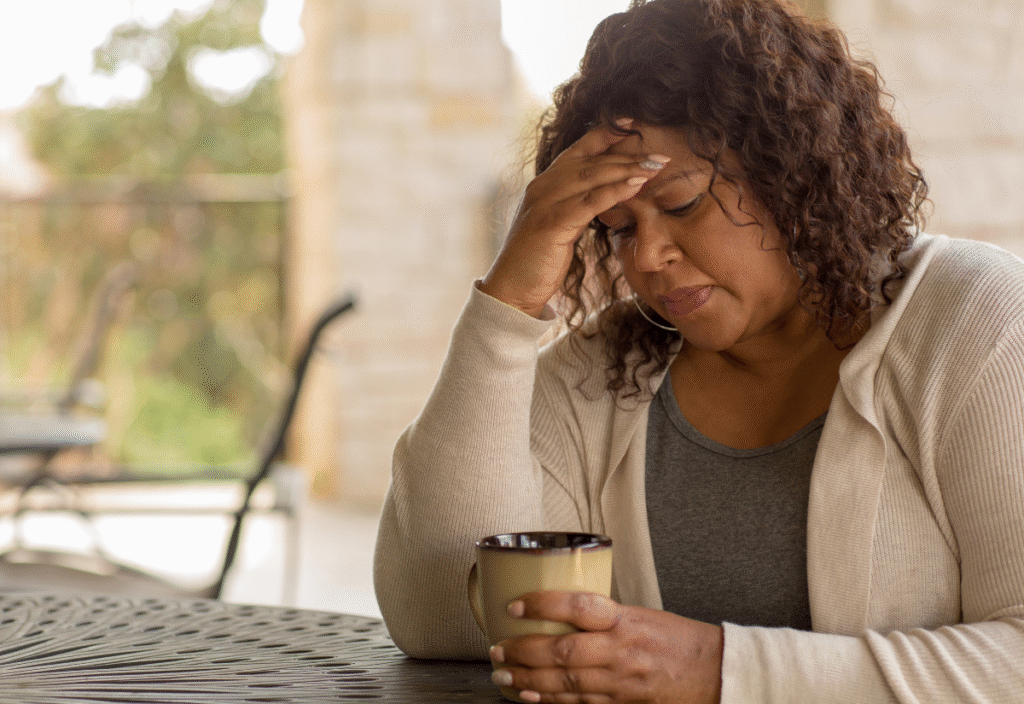
During perimenopause, estrogen and progesterone — two hormones deeply connected to mood regulation — begin to fluctuate unpredictably. These hormonal shifts can disrupt the delicate balance of brain chemicals like serotonin and GABA, the very neurotransmitters responsible for calm and emotional stability. The result? Feelings of unease, irritability, panic, or emotional overwhelm that may feel new or intensified.
Perimenopause mood changes often include a distinctive anxiety pattern that many women recognize immediately:
- Sudden waves of panic or unexplained heart palpitations
- Increased anxiety in the days before your period
- Restlessness or racing thoughts without clear triggers or stressors
- Trouble sleeping despite physical exhaustion
- A sense of dread or foreboding that appears and disappears cyclically
- Difficulty concentrating or brain fog accompanying anxiety
These symptoms often ebb and flow with your menstrual cycle or major hormone shifts, creating a pattern you might notice over weeks or months. Many women describe it as “anxiety on a schedule” — unpredictable yet somehow connected to their cycle.
How General Anxiety Differs
General anxiety, on the other hand, can occur at any stage of life and isn’t tied to hormonal fluctuations or menstrual cycles. It typically develops in response to identifiable stressors like work pressure, relationship challenges, financial concerns, or unresolved trauma.
General anxiety symptoms tend to include:
- Persistent, ongoing worry about daily events and future possibilities
- Muscle tension, jaw clenching, and chronic fatigue
- Overthinking, rumination, and difficulty quieting racing thoughts
- Difficulty relaxing, even in objectively calm situations
- A relatively consistent baseline of worry throughout the month
The key difference? General anxiety tends to maintain a steady presence regardless of where you are in your cycle, while perimenopause anxiety typically fluctuates with hormonal patterns. You might feel calm one week and overwhelmed the next, correlating with your cycle or hormone levels.
Anxiety Symptoms in Women Over 40: Key Questions to Ask Yourself
Wondering whether your anxiety is hormonal or not? Use these questions as a diagnostic tool:
- Did my significant anxiety appear around the time my menstrual cycle started becoming irregular?
- Are symptoms noticeably worse right before my period, after poor sleep, or during high-stress phases?
- Do I experience hot flashes, night sweats, mood swings, or brain fog alongside the anxiety?
- Does my anxiety follow a monthly pattern that correlates with my cycle?
- Did I have a stable anxiety baseline before my 40s?
If you answered yes to most of these questions, your anxiety is likely influenced by hormonal changes. This doesn’t make it less real — it just means targeted strategies can help manage it more effectively.
Managing Perimenopause Anxiety Naturally
You don’t need to struggle in silence. Research shows that lifestyle and mindset changes can significantly reduce anxiety during perimenopause. Here are evidence-based approaches that work:
Move Your Body Regularly: Exercise is one of the most powerful natural anxiety remedies. Walking, yoga, swimming, or strength training help regulate mood-boosting hormones like endorphins and serotonin while also improving sleep quality. Aim for at least 150 minutes of moderate activity weekly.
Prioritize Restorative Sleep: Inconsistent or poor sleep amplifies anxiety symptoms during perimenopause. Create a calming bedtime routine 30 minutes before sleep, keep your bedroom cool and dark, and aim for 7-9 hours nightly. Better sleep directly improves stress management for perimenopause.
Eat for Hormone Balance: Nutrition plays a surprisingly powerful role in managing anxiety. Include foods rich in magnesium (leafy greens, nuts, seeds), omega-3 fatty acids (fatty fish, flaxseed), and phytoestrogens (soy products, chickpeas, lentils). These nutrient-dense foods support brain chemistry and hormonal stability.
Reduce Anxiety Triggers: Caffeine and alcohol can intensify anxiety and disrupt sleep patterns during perimenopause. Even small reductions can create noticeable improvements in how you feel.
Practice Nervous System Regulation: Mindful breathing exercises, meditation, progressive muscle relaxation, or guided imagery can calm your nervous system within minutes. Even 5-10 minutes daily makes a measurable difference.
Supportive Products for Natural Anxiety Relief
Certain natural remedies and tools can complement your lifestyle changes:
Magnesium Supplements: Magnesium supports muscle relaxation, sleep quality, and nervous system calm. Consider magnesium glycinate or threonate forms for better absorption and reduced digestive upset.
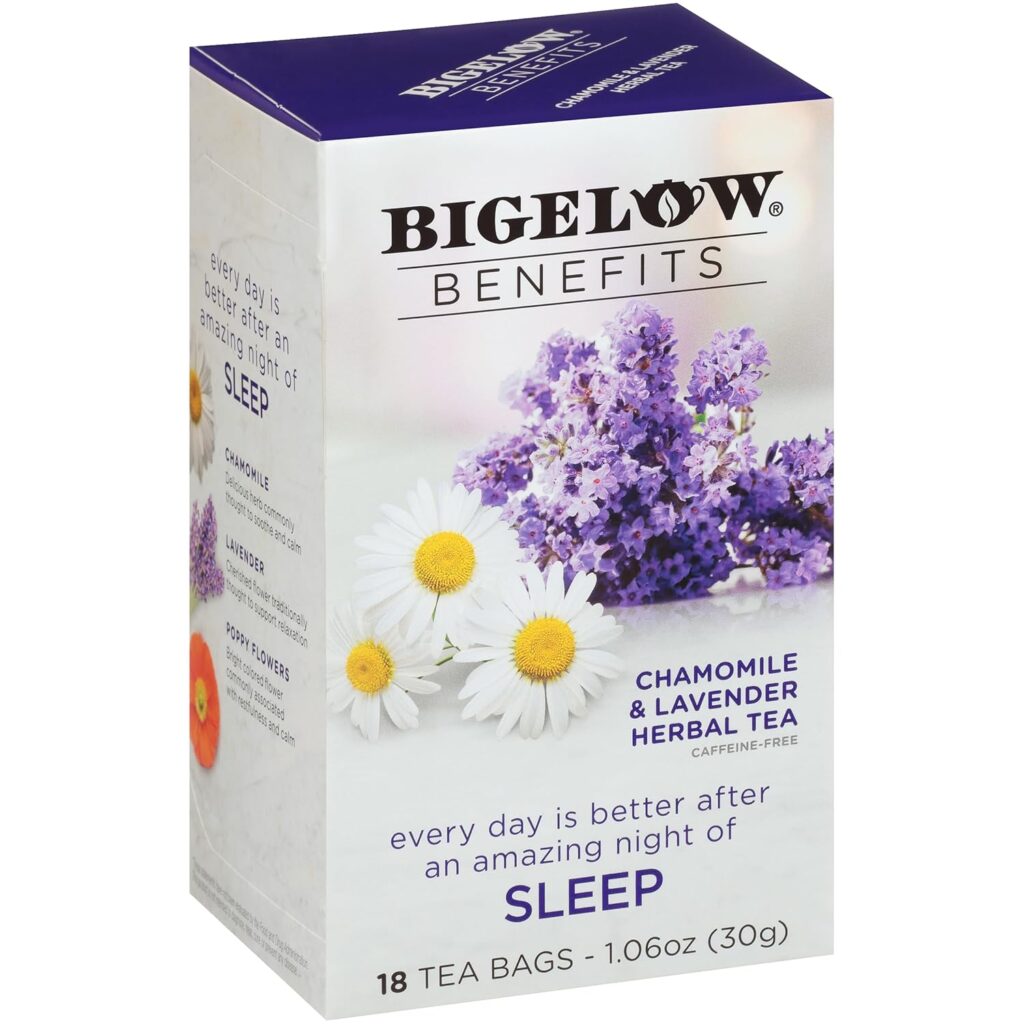
Herbal Teas: Chamomile, lavender, ashwagandha, and passion flower have centuries of traditional use for anxiety relief. Sipping a warm herbal tea becomes both a calming ritual and a functional remedy.
Weighted Blankets: The gentle pressure of weighted blankets can reduce anxiety and improve sleep quality by activating your parasympathetic nervous system — your body’s natural calming response.
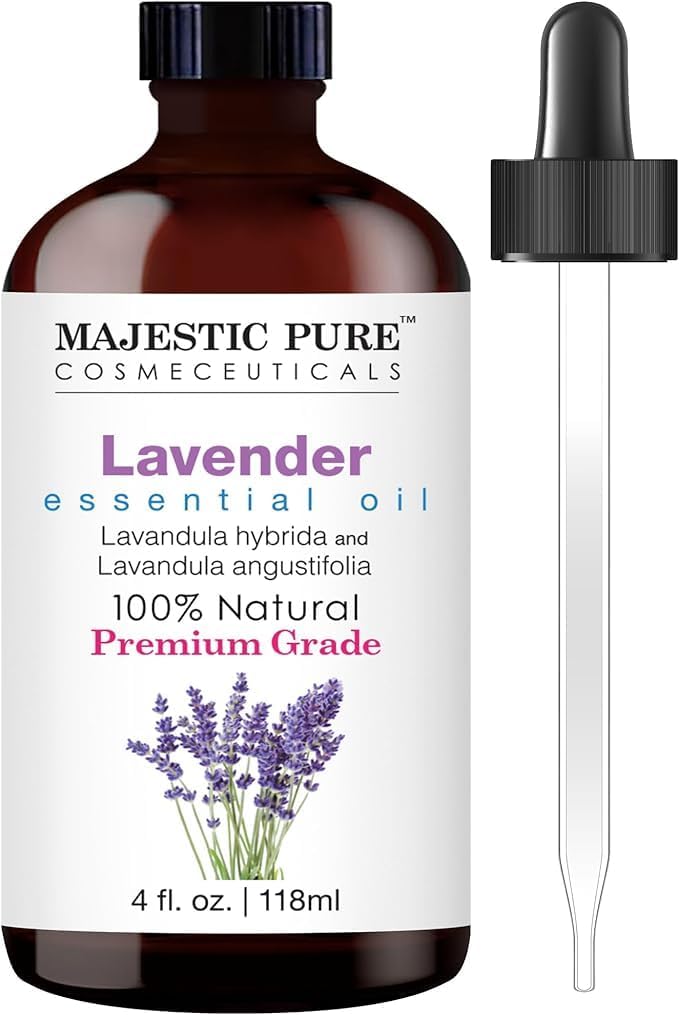
Aromatherapy Diffusers with Essential Oils: Lavender, bergamot, and ylang ylang essential oils have been shown to reduce anxiety. A quality diffuser helps you incorporate calming scents into your daily environment.
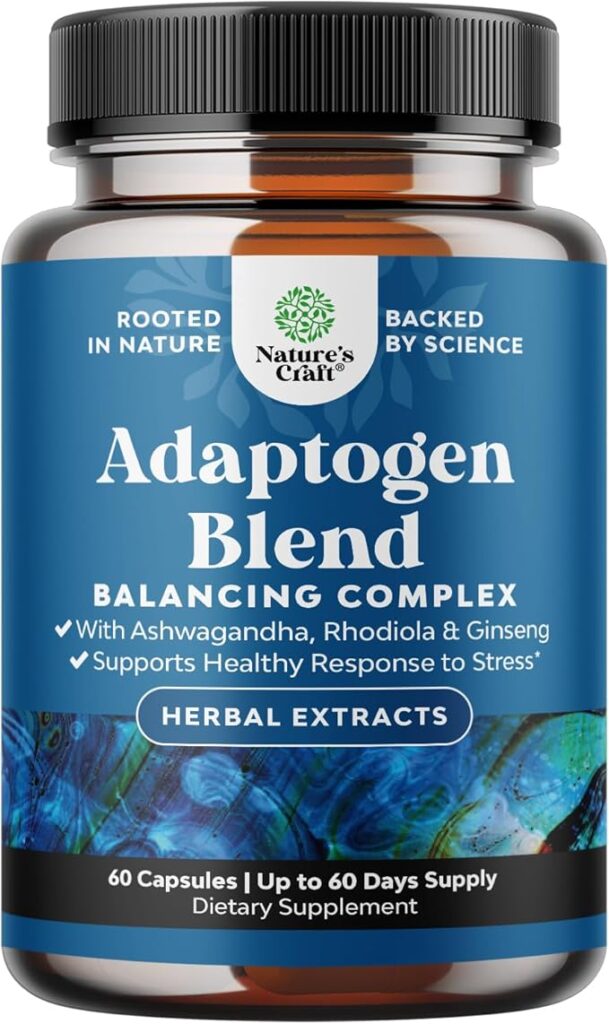
Adaptogenic Herbs: Rhodiola and ashwagandha help your body manage stress more effectively during hormonal transitions.
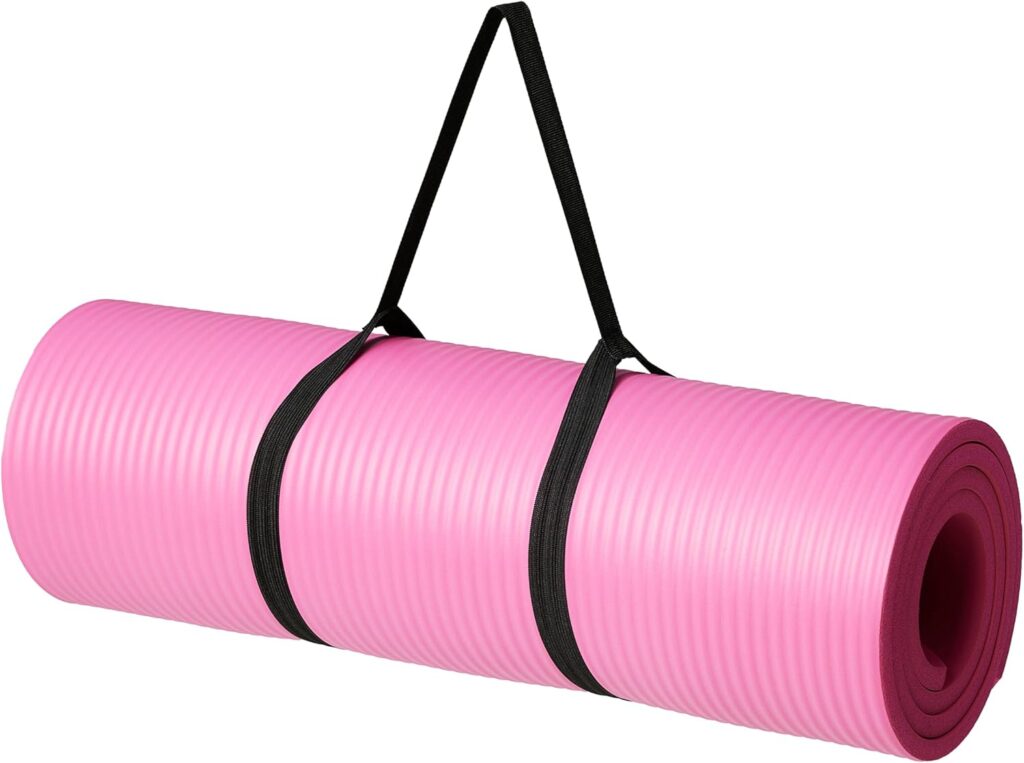
Yoga Mats or Props: Gentle yoga and stretching directly reduce physical tension and calm your mind. Quality props make practice more accessible and enjoyable.
These tools work best when combined with lifestyle changes rather than used in isolation.
When to Seek Professional Support
While natural remedies help many women, professional support is important in certain situations. Consider reaching out to a healthcare provider if:
- Anxiety starts significantly affecting your work performance, relationships, or daily functioning
- You experience panic attacks or thoughts of harming yourself
- Symptoms don’t improve after several weeks of lifestyle changes
- You feel overwhelmed or unable to cope
A doctor or therapist can help determine whether your anxiety stems primarily from hormonal changes, other medical conditions, or psychological factors. They can also discuss treatment options including therapy, hormone therapy, or medication if appropriate. There’s no shame in seeking professional help — it’s actually a sign of self-care.
Your Path Forward: Understanding Brings Clarity
Understanding what’s behind your anxiety is genuinely the first step toward peace. When you recognize the difference between perimenopause anxiety vs. general anxiety, you can take targeted action that actually addresses the root cause. This awareness alone often reduces the secondary anxiety that comes from feeling confused about your own body.
Remember: your symptoms are valid, your concerns are real, and you’re not alone. Thousands of women navigate this transition daily. The good news? Most find their way back to calm with the right approach.
Final Thoughts
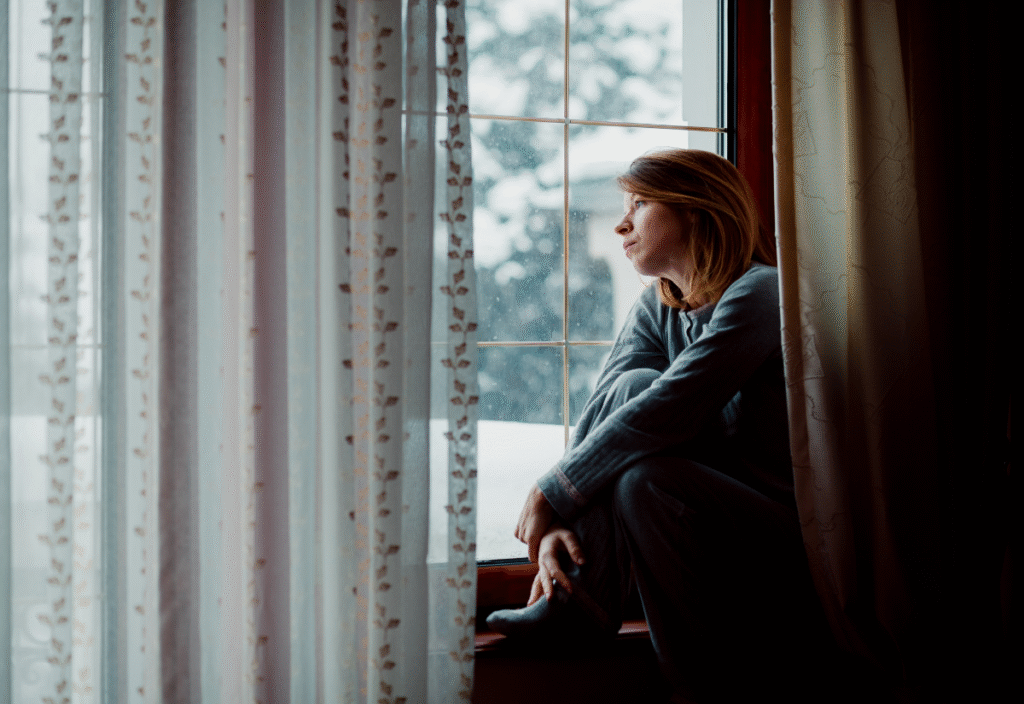
Perimenopause anxiety can feel confusing and overwhelming, but awareness changes everything. When you understand the “why” behind your feelings, you can find tools that genuinely work for you. Be gentle with yourself — your body isn’t failing; it’s adjusting to one of life’s natural transitions.
Balance takes time, and every small step toward calm counts. Whether you’re adjusting your sleep schedule, adding magnesium-rich foods, or scheduling time with a therapist, you’re moving in the right direction. Your nervous system is resilient, and with support and patience, calm returns.
You don’t have to navigate perimenopause anxiety alone. Connect with other women in your community who understand exactly what you’re experiencing. Share your story, learn from theirs, and remember: you’ve overcome challenges before, and you’ll overcome this one too. Your best self is waiting on the other side of this transition.
Find Your Calm, Feel Empowered
Want more tips to manage perimenopause with confidence and ease? Join our community for expert advice, mindset tools, and lifestyle guidance to help you stay balanced, calm, and connected through every hormonal shift.