Best Natural Remedies for Perimenopause Bloating
If you’ve suddenly started feeling uncomfortably bloated and can’t quite figure out why, perimenopause might be the culprit. You’re definitely not alone—bloating is one of the most frustrating symptoms women experience during this transitional phase. The good news? There are proven natural remedies for perimenopause bloating that can help you feel more like yourself again. In this guide, we’ll explore evidence-based strategies and natural solutions to tackle this uncomfortable symptom head-on.
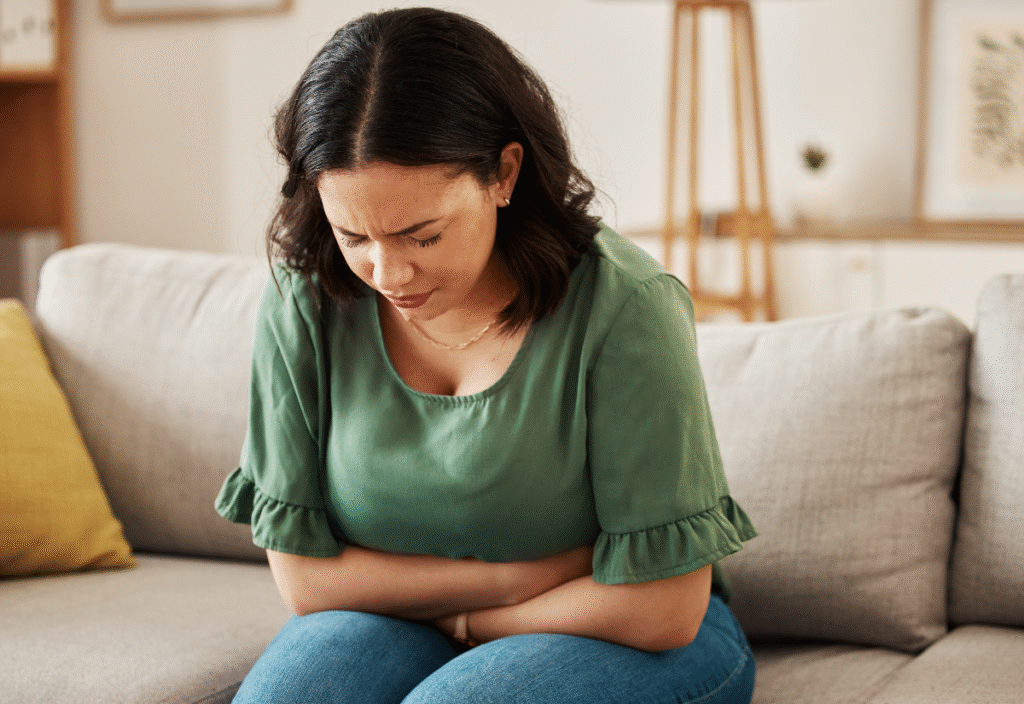
Why Does Bloating Happen During Perimenopause?
Here’s what’s happening inside your body: During perimenopause, your estrogen and progesterone levels are on a bit of a rollercoaster. One month they’re high, the next they’re dropping—and this unpredictability wreaks havoc on your digestive system.
When estrogen spikes, your body tends to hold onto water. At the same time, declining progesterone (which normally helps keep everything moving smoothly) means your digestion slows down. The combination? Gas, bloating, and that persistent puffy feeling that seems to appear and disappear without warning.
But hormones aren’t the only players involved. Common bloating triggers include eating too quickly, consuming high-sodium or processed foods, drinking carbonated beverages, chronic stress, poor sleep quality, and reduced physical activity. Often, it’s a combination of these factors that intensifies the problem.
7 Natural Remedies to Combat Perimenopause Bloating
1. Sip Herbal Teas After Meals
One of the simplest natural remedies for perimenopause bloating is reaching for a warm cup of herbal tea. Peppermint tea soothes the digestive tract and relaxes muscles in your gut, reducing uncomfortable gas. Ginger tea aids digestion and has natural anti-inflammatory properties. Fennel tea supports healthy digestion and can ease that bloated sensation. The ritual of sipping tea also encourages you to slow down—which alone can improve digestion.
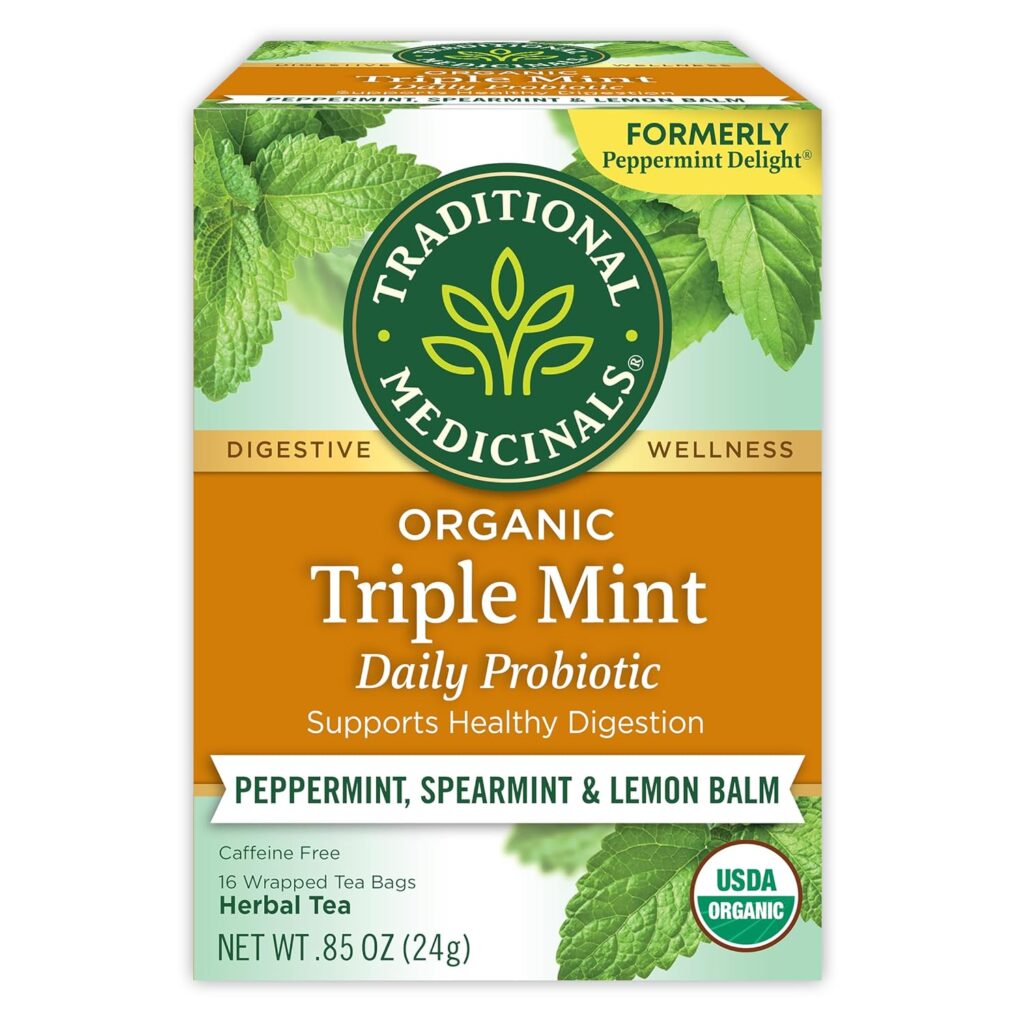
Product suggestions: Look for organic herbal tea blends specifically formulated for digestive support, or brew individual dried herbs.
2. Drink Enough Water
It sounds counterintuitive, but drinking more water is genuinely one of the best natural remedies for perimenopause bloating. When you’re dehydrated, your body holds onto water, intensifying bloating. Adequate hydration helps flush out excess sodium and supports optimal digestive function. Aim for 6–8 glasses daily, and spread your intake throughout the day rather than drinking large amounts at once.
3. Add Probiotics to Your Diet
Your gut health directly impacts bloating. A healthy microbiome means smoother digestion and fewer uncomfortable symptoms. Include probiotic-rich foods like plain yogurt, kefir, miso, tempeh, or fermented sauerkraut in your diet several times a week. If you prefer a more convenient option, a high-quality daily probiotic supplement can help restore your gut bacteria balance and reduce bloating naturally.

Product suggestions: Look for multi-strain probiotic supplements with at least 10 billion CFU, or food-based probiotics like unsweetened Greek yogurt or kombucha.
4. Identify and Limit Your Trigger Foods
Pay attention to what makes your bloating worse. For many women, the culprits are processed carbohydrates, carbonated drinks, artificial sweeteners, and high-sodium snacks. Instead, focus on whole grains, lean proteins (chicken, fish, beans), and plenty of fiber-rich vegetables. Keep a food journal for a week or two to identify your specific triggers—everyone’s digestive system is different.
5. Move Your Body Gently
Exercise is a natural remedy that shouldn’t be underestimated. Walking, gentle yoga, or light stretching can physically stimulate your digestive system and encourage movement through your colon, reducing bloating. You don’t need intense workouts—even 15–20 minutes of daily movement can make a noticeable difference. The added benefit? Regular movement also helps manage stress and improve sleep quality.
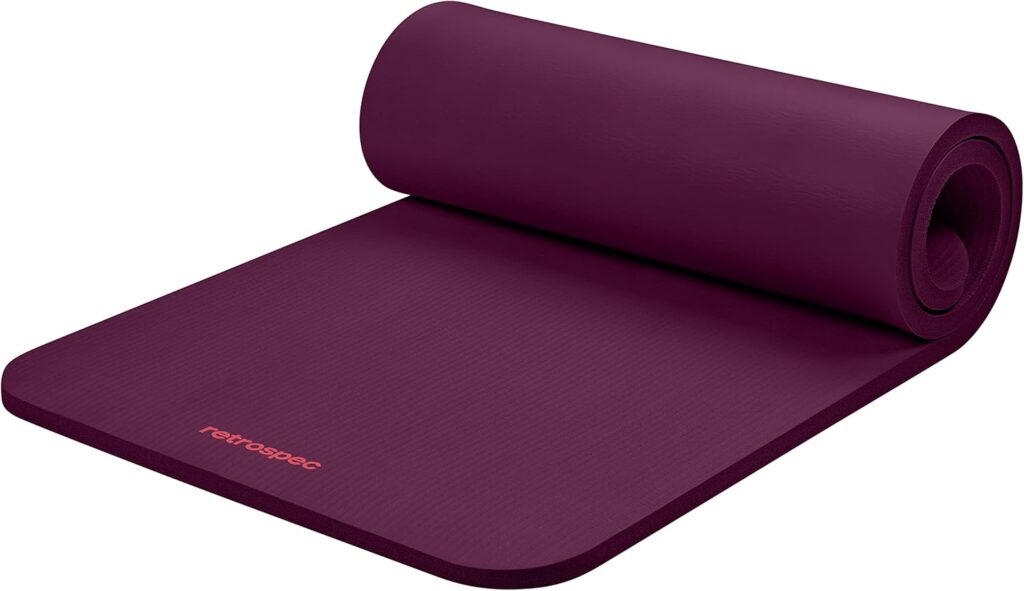
Product suggestions: A comfortable yoga mat and loose-fitting workout clothes can make gentle exercise more enjoyable and sustainable.
6. Manage Stress and Prioritize Sleep
Stress is a hidden bloating culprit. When you’re stressed, your cortisol levels rise, leading to water retention and digestive slowdown. Poor sleep compounds the problem. Incorporate stress-reduction practices like deep breathing exercises, meditation, journaling, or even a warm bath before bed. These calming practices support both your nervous system and your digestion.
7. Try Natural Supplements
Several natural supplements have been shown to support digestion and reduce bloating. Magnesium helps relax your digestive muscles and can improve constipation-related bloating. Digestive enzyme supplements help break down food more efficiently. Herbal blends containing turmeric (a natural anti-inflammatory), dandelion, or ginger root can provide additional digestive support.
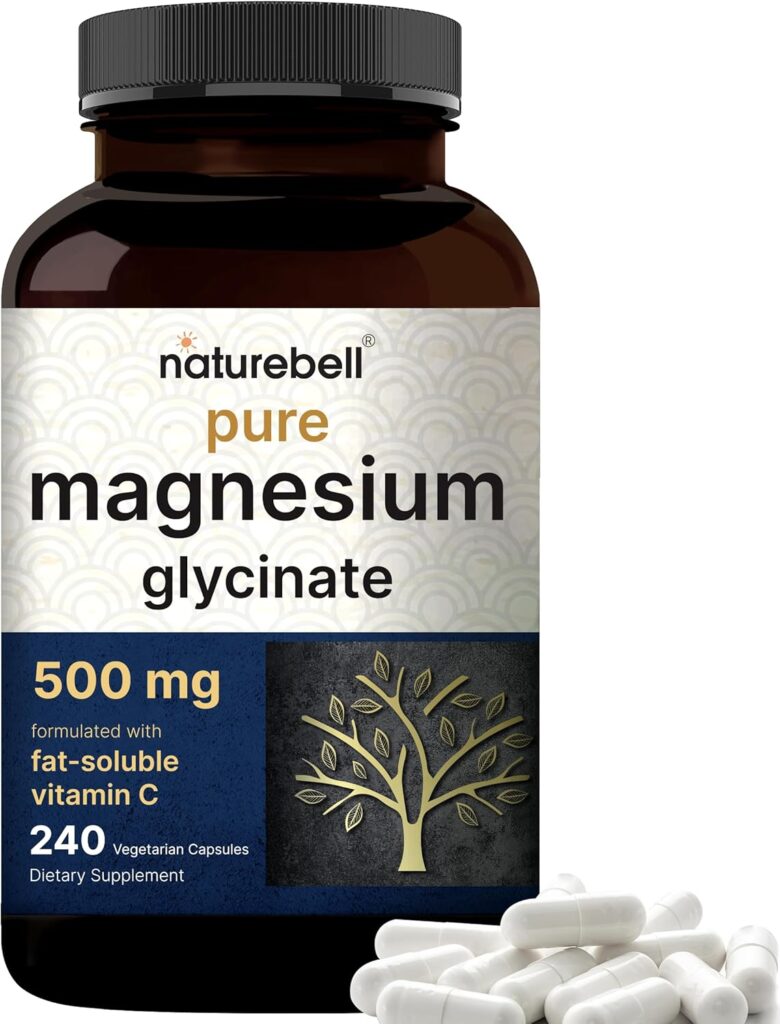
Product suggestions: Look for magnesium glycinate or citrate (easier on the stomach), plant-based digestive enzyme complexes, and standardized herbal extracts.
Practical Tips for Immediate Relief
While you’re implementing these longer-term natural remedies for perimenopause bloating, try these quick fixes: eat smaller meals more frequently, chew food thoroughly, avoid eating right before bed, wear comfortable clothing that doesn’t compress your abdomen, and take a 10-minute walk after meals. These simple habits can provide noticeable relief within days.
Final Thoughts

Perimenopause bloating is frustrating, but it’s also manageable. By combining dietary adjustments, gentle movement, stress management, and targeted natural remedies, you can significantly reduce discomfort and reclaim your confidence. The key is consistency—give these strategies at least 2–3 weeks to work, as your body needs time to adjust. Every woman’s experience is unique, so pay attention to what works best for you. If bloating persists or worsens despite these efforts, consult your healthcare provider to rule out other underlying conditions. You deserve to feel comfortable in your own skin during this transition.
Join Our Community
Want guidance and support as you navigate perimenopause? Join our email list today for expert tips, natural remedies, and real-life stories from women on the same journey. Together, we’ll make this transition easier and more empowering.