Do You Still Ovulate During Perimenopause? | Signs, Fertility & Hormone Changes
Perimenopause is the transitional stage before menopause, and it often brings many questions about fertility, hormones, and ovulation. One of the most common concerns is whether ovulation still happens during this phase. Understanding these changes can help you feel more prepared and confident as you navigate this natural life transition.

Do You Still Ovulate in Perimenopause?
Yes, ovulation can still occur during perimenopause, but it becomes irregular and unpredictable. Hormone fluctuations cause your menstrual cycles to shift dramatically. Some months you may ovulate normally, while other months you may not ovulate at all. This irregular pattern is completely normal and affects most women during their 40s and early 50s.
The perimenopause stage typically begins 8-10 years before menopause, with most women experiencing it in their 40s. During this time, your ovaries gradually produce less estrogen and progesterone, making ovulation less consistent.
Understanding Irregular Ovulation in Perimenopause
As estrogen and progesterone levels fluctuate unpredictably, ovulation becomes less reliable. Your cycles may:
- Shorten (21-24 days instead of 28)
- Lengthen (35+ days)
- Skip entirely for several months
- Become heavy or very light
These irregular ovulation patterns are among the most common signs of perimenopause and can last for several years before menopause occurs.
Signs of Ovulation During Perimenopause
Even though cycles become less consistent, many women can still identify ovulation signs during perimenopause:
- Mild cramping or pelvic pain on one side (mittelschmerz)
- Clear, stretchy cervical mucus resembling egg whites
- Slight rise in basal body temperature (0.5-1°F increase)
- Breast tenderness or sensitivity
- Changes in libido around mid-cycle
- Light spotting around ovulation due to hormone fluctuations
However, these signs may be less pronounced or consistent compared to your younger years.
Can You Get Pregnant in Perimenopause? Understanding Your Fertility
Yes, pregnancy is still possible during perimenopause, though fertility significantly declines. If ovulation occurs, there’s still a chance of conception. Recent statistics show that pregnancy chances during perimenopause are approximately:
- Ages 40-44: About 30% chance per year of natural pregnancy
- Ages 45-49: Approximately 10% chance per year
- After age 50: Less than 5% chance per cycle
Women not planning pregnancy should continue using reliable birth control until menopause is officially confirmed (defined as 12 consecutive months without a period).
How to Track Ovulation During Perimenopause
Tracking ovulation becomes more challenging during perimenopause, but several methods can help:
Ovulation Tracking Methods:
- Ovulation predictor kits (OPKs): Detect luteinizing hormone (LH) surges
- Basal body temperature charting: Track daily temperature patterns
- Fertility tracking apps: Monitor cycle patterns and symptoms
- Cervical mucus observation: Note changes in texture and quantity
- Professional hormone testing: Blood tests to confirm ovulation
Keep in mind that irregular hormone levels during perimenopause can sometimes give false readings on home tests.
Fertility and Hormone Changes in Perimenopause
During perimenopause, your reproductive hormones undergo significant changes:
Key Hormonal Shifts:
- Estrogen levels fluctuate wildly before declining
- Progesterone production becomes inconsistent
- FSH (follicle-stimulating hormone) levels increase
- Anti-Müllerian hormone (AMH) decreases, indicating fewer remaining eggs
These hormonal changes cause the characteristic perimenopause symptoms including hot flashes, night sweats, mood swings, irregular bleeding, and sleep disturbances.
When Does Perimenopause Typically Begin?
Most women enter perimenopause between ages 40-44, though it can start as early as the mid-30s or as late as the early 50s. The average duration is 4-8 years, but can vary significantly between individuals.
Managing Perimenopause Symptoms Naturally
Lifestyle modifications can significantly help manage perimenopause symptoms and support hormonal balance:
Dietary Support:
- Incorporate phytoestrogen-rich foods (soy, flaxseeds, legumes)
- Maintain adequate calcium and vitamin D intake
- Limit caffeine and alcohol
- Stay hydrated with plenty of water
Lifestyle Strategies:
- Regular exercise (especially strength training and cardio)
- Stress management through meditation or yoga
- Consistent sleep schedule
- Weight management
Natural Supplements (consult healthcare provider first):
- Black cohosh for hot flashes
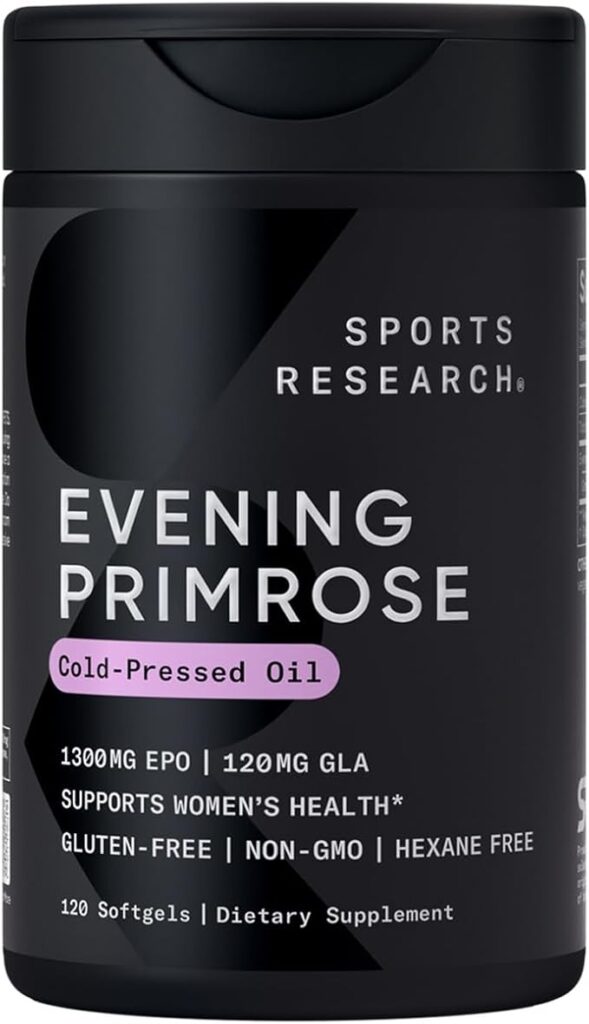
- Evening primrose oil for hormonal balance
- Vitamin E for symptom relief
- Omega-3 fatty acids for overall health
When to Consult a Healthcare Provider
Contact your doctor if you experience:
- Extremely heavy bleeding or clots larger than a quarter
- Bleeding between periods
- Periods lasting longer than 7 days
- Cycles shorter than 21 days
- Severe mood changes or depression
- Persistent sleep problems
Additional Recommended Products for Perimenopause Support
- Ovulation predictor kits
- Basal body thermometers
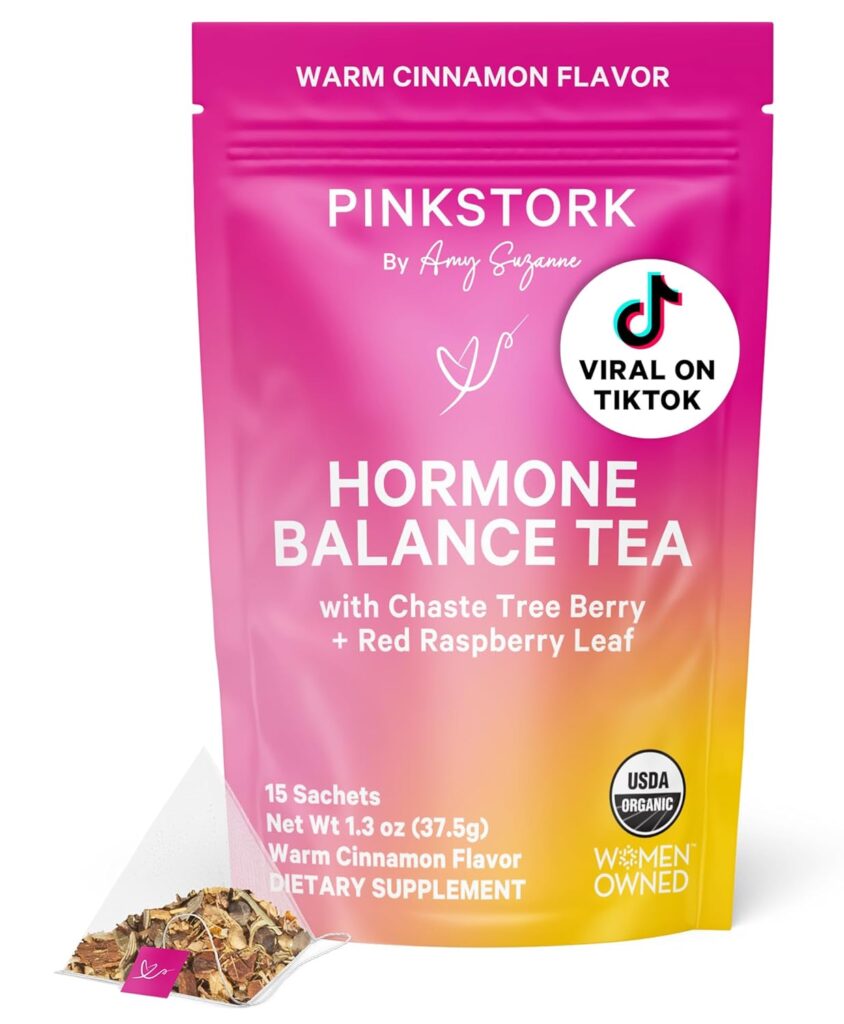
- Herbal teas for hormone balance
- Natural supplements for women’s health
- Stress relief aids like essential oil diffusers
- Comfortable sleepwear for night sweats
The Bottom Line: Navigating Ovulation in Perimenopause

Ovulation during perimenopause is irregular and unpredictable, but it can still occur throughout this transitional phase. Understanding the signs, using appropriate tracking tools, and supporting your body with healthy lifestyle choices can make perimenopause more manageable.
Remember that every woman’s perimenopause journey is unique. While some may experience dramatic changes, others have milder symptoms. Stay informed, listen to your body, and don’t hesitate to seek professional guidance when needed.
Key Takeaway: Until you’ve gone 12 consecutive months without a period, ovulation and pregnancy remain possible. Whether you’re trying to conceive or prevent pregnancy, understanding your changing fertility during perimenopause is essential for making informed decisions about your reproductive health.
This article is for informational purposes only and does not substitute professional medical advice. Always consult with your healthcare provider for personalized guidance about perimenopause and fertility concerns.
Join Our Community
Want guidance and support as you navigate perimenopause? Join our email list today for expert tips, natural remedies, and real-life stories from women on the same journey. Together, we’ll make this transition easier and more empowering.